



Diabetes is a long-term health condition that affects how the body controls blood sugar levels. Many people focus only on blood sugar control, diet, and medication, but they often forget one very important part of diabetes management: foot health. This is where a diabetic foot care specialist becomes extremely important.
A diabetic foot care specialist is a trained healthcare professional who focuses on preventing, diagnosing, and treating foot problems in people with diabetes. Their main goal is to protect the feet from serious complications like infections, ulcers, and in severe cases, amputation.
In this article, we will explain who a diabetic foot care specialist is, why they are important, what problems they treat, and how they help patients live healthier and safer lives.
What is a Diabetic Foot Care Specialist?
A diabetic foot care specialist is a doctor or medical professional who has expertise in managing foot-related issues caused by diabetes. This may include podiatrists, endocrinologists, or wound care specialists who have additional training in diabetic foot health.
People with diabetes are at higher risk of foot problems because high blood sugar can damage nerves and reduce blood flow to the feet. This makes it harder for wounds to heal and increases the risk of infections.
A diabetic foot care specialist helps prevent these complications through regular checkups, early treatment, and patient education.
Why Foot Care is Important in Diabetes
Many people do not realize how serious foot problems can become in diabetes. Even a small cut or blister can turn into a major issue if not treated properly.
Here are some reasons why foot care is so important:
1. Nerve Damage (Neuropathy)
High blood sugar can damage nerves in the feet. This condition is called neuropathy. It causes numbness, tingling, or loss of feeling, so patients may not notice injuries.
2. Poor Blood Circulation
Diabetes can reduce blood flow to the feet. Without proper circulation, wounds heal slowly and infections can develop easily.
3. Risk of Infections
Small cuts can become infected quickly because the body’s immune response is weaker in people with diabetes.
4. Risk of Ulcers
Untreated wounds can turn into diabetic foot ulcers, which are deep and serious sores.
5. Risk of Amputation
In severe cases, untreated infections or ulcers may lead to amputation of toes, feet, or legs.
A diabetic foot care specialist helps prevent all these problems through early detection and proper treatment.
Common Foot Problems in Diabetic Patients
A diabetic foot care specialist treats a wide range of foot conditions. Some of the most common include:
1. Diabetic Foot Ulcers
These are open wounds or sores that usually appear on the bottom of the foot. They are slow to heal and can become infected.
2. Fungal Infections
People with diabetes are more likely to develop fungal infections like athlete’s foot or toenail fungus.
3. Calluses and Corns
Thickened skin areas can develop due to pressure or friction, which may lead to ulcers if not managed.
4. Dry and Cracked Skin
Diabetes can cause dry skin, which may crack and allow bacteria to enter.
5. Charcot Foot
This is a rare but serious condition where bones in the foot become weak and may fracture without pain due to nerve damage.
6. Poor Nail Health
Ingrown toenails and thick nails are common and may lead to infection.
Role of a Diabetic Foot Care Specialist
A diabetic foot care specialist plays a very important role in preventing complications and improving quality of life.
1. Regular Foot Checkups
They examine the feet regularly to detect early signs of problems.
2. Wound Care Management
If a wound or ulcer is present, they clean, dress, and treat it to promote healing.
3. Infection Control
They prescribe antibiotics or antifungal treatments when needed.
4. Pressure Relief
They recommend special footwear or orthotics to reduce pressure on sensitive areas.
5. Patient Education
They teach patients how to properly care for their feet at home.
6. Preventive Care
Their main focus is to prevent foot problems before they become serious.
Diagnosis and Examination
When you visit a diabetic foot care specialist, they perform a detailed examination. This may include:
- Checking skin condition of the feet
- Examining toenails for infection
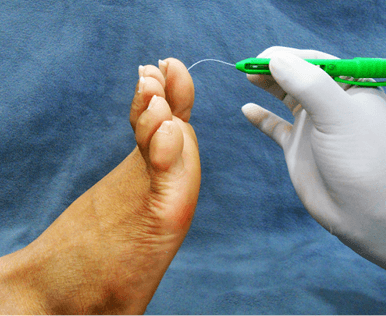
- Testing nerve sensitivity using simple tools
- Checking blood circulation in the feet
- Looking for wounds, swelling, or deformities
In some cases, X-rays or scans may be required to check for bone damage or deep infections.
Treatment Options
Treatment depends on the type and severity of the problem. A diabetic foot care specialist may recommend:
1. Wound Cleaning and Dressing
Proper cleaning helps prevent infection and promotes healing.
2. Medications
Antibiotics or antifungal medicines are used to treat infections.
3. Debridement
This is the removal of dead or infected tissue from wounds.
4. Special Footwear
Custom shoes or insoles reduce pressure and protect sensitive areas.
5. Blood Sugar Control
Better diabetes management is essential for faster healing.
6. Physical Therapy
Improves blood flow and foot strength in some cases.
7. Surgery (Severe Cases)
In rare situations, surgery may be required to remove infected tissue or correct deformities.
Daily Foot Care Tips for Diabetic Patients
A diabetic foot care specialist always advises patients to take care of their feet daily. Here are some simple tips:
- Wash feet daily with warm water and mild soap
- Dry feet properly, especially between toes
- Check feet daily for cuts, blisters, or redness
- Moisturize dry skin but avoid applying lotion between toes
- Wear clean, comfortable socks
- Always wear shoes, even indoors
- Avoid walking barefoot
- Trim toenails carefully or get professional help
These habits can greatly reduce the risk of foot complications.
When Should You See a Specialist?
You should visit a diabetic foot care specialist if you notice:
- Any wound that does not heal
- Redness, swelling, or warmth in the foot
- Pain or numbness in feet
- Changes in skin color
- Foul smell or discharge from a wound
- Thick or infected toenails
Early treatment is very important in preventing serious complications.
Prevention is Better Than Cure
The best way to avoid diabetic foot problems is prevention. Regular checkups, good blood sugar control, and proper foot hygiene can keep your feet healthy.
A diabetic foot care specialist works closely with patients to make sure small issues do not become big problems.
Conclusion
A diabetic foot care specialist plays a vital role in protecting the feet of people living with diabetes. Since diabetes can cause nerve damage, poor circulation, and slow healing, foot problems can become serious very quickly if ignored.
With regular checkups, proper treatment, and daily foot care habits, most complications can be prevented. The key is early detection and consistent care.
If you or someone you know has diabetes, consulting a diabetic foot care specialist is one of the best steps toward maintaining long-term health and avoiding serious foot problems.
FAQs
1. What does a diabetic foot care specialist do?
They diagnose, treat, and prevent foot problems in diabetic patients, including ulcers, infections, and nerve damage.
2. How often should I visit a diabetic foot care specialist?
Most diabetic patients should have a foot checkup at least once or twice a year, or more often if they have existing problems.
3. Can diabetic foot problems be cured?
Yes, many foot problems can be treated successfully if detected early and managed properly.
4. What is the most common diabetic foot problem?
The most common issue is diabetic foot ulcers, which are slow-healing wounds on the feet.
5. How can I prevent diabetic foot complications at home?
You can prevent problems by maintaining good blood sugar control, wearing proper shoes, checking your feet daily, and keeping them clean and dry.