


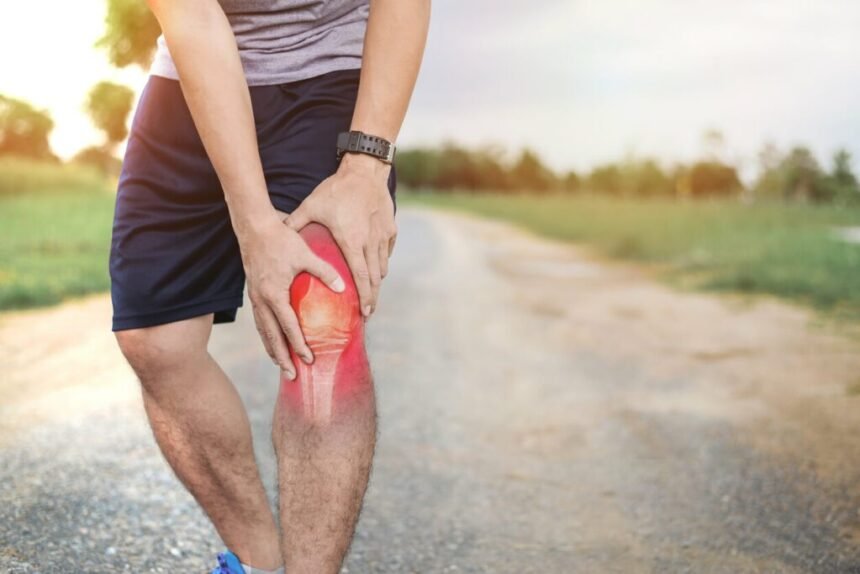
Knee pain interrupts training, and it typically signals joint stress from overuse or injury. People may feel it during running, jumping, or squatting. Since the knee carries much of your body weight, discomfort there requires a careful response. Here is more information on returning to athletic activities after having knee pain:
Performing Low-impact Exercises
Low-impact movement rebuilds strength without pounding the joint. You keep muscles active, and you reduce strain on healing tissue to avoid knee pain. When your knee tolerates gentle loading, these exercises give it a controlled starting point.
Swimming and cycling top the list for many recovering athletes. Water supports your weight, so your knee moves freely. When resistance stays adjustable, you set the pace that suits you.
Try adding these options to a weekly routine:
- Stationary cycling at low resistance
- Repetitive pool walking or lap swimming
- Elliptical sessions with short intervals
Each movement builds endurance, and each one limits jarring force. Track how your knee responds after every session. If soreness fades within a day, you likely worked at a safe level.
Reintegrating Athletics Gradually
A slow return protects the progress you made, so test the joint and learn its current limits. When you rush back into full training, you raise the odds of another setback. Start with drills at partial speed before full effort. Break your sport down into pieces and rebuild it one skill at a time. Since your knee adapts over weeks, patience keeps the timeline realistic.
Following Your Doctor’s Guidance
Your doctor tracks the specifics of your injury. They review imaging, such as X-ray scans, and they measure your range of motion. When a professional sets your limits, you follow a plan built for your body.
Ask direct questions during each visit. A short list keeps the conversation focused:
- Which movements match my current stage?
- What signs mean I should stop and rest?
- When do I schedule the next check?
Write the answers down and review them before every workout. Since guidance shifts as you heal, regular updates keep your plan accurate. Follow the timeline your provider gives you.
Stopping When it Hurts
Pain marks a boundary you must observe. You notice sharp signals, and you halt the activity. When discomfort spikes past mild soreness, that reaction protects the joint from further damage.
Learn the difference between working muscle and warning pain. Muscle fatigue eases with rest, but sharp or swelling pain calls for a break. Since ignoring these signs may risk having setbacks, you pause and reassess.
Stop the session if you feel any of these:
- Sharp or stabbing sensations
- New swelling around the joint
- Unstable, buckling knee
Rest, ice, and elevation may help in the moment. Log what triggered the pain, and share that note with your doctor.
Get Treated for Knee Pain
Returning to sport takes steady effort and honest attention to your body. You built strength through low-impact work, and you reintroduced your sport in stages. Following your doctor and stopping at pain kept the process grounded. Since your knee needs professional input, a proper evaluation guides every step. Schedule an appointment with a radiologist to assess your knee and map out your next phase.