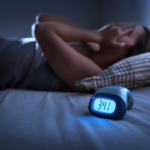



Sleep is meant to be peaceful, but for many people, it is interrupted by a serious condition called sleep apnea. This disorder affects breathing during sleep and can lead to poor rest, tiredness, and even long-term health problems if not treated properly.
If you are searching for “sleep apnea diagnosis and treatment”, it means you want to understand what this condition is and how doctors help patients manage it. This article will explain everything in a simple, human way so you can clearly understand the problem and the solutions.
What Is Sleep Apnea?
Sleep apnea is a sleep disorder where a person’s breathing repeatedly stops and starts during sleep. These pauses in breathing can last a few seconds or even longer and may happen many times throughout the night.
There are three main types of sleep apnea:
1. Obstructive Sleep Apnea (OSA)
This is the most common type. It happens when the muscles in the throat relax too much and block the airway.
2. Central Sleep Apnea
This type happens when the brain does not send proper signals to the muscles that control breathing.
3. Complex Sleep Apnea
This is a combination of both obstructive and central sleep apnea.
Why Sleep Apnea Is Dangerous
Sleep apnea is not just loud snoring. It can affect your whole body because it reduces oxygen levels during sleep. Over time, this can lead to serious health issues such as:
- High blood pressure
- Heart disease
- Stroke risk
- Diabetes
- Daytime fatigue
- Memory and concentration problems
That is why early sleep apnea diagnosis and treatment is very important.
Common Symptoms of Sleep Apnea
Many people do not even realize they have sleep apnea. Some common signs include:
- Loud snoring
- Gasping or choking during sleep
- Pauses in breathing noticed by others
- Morning headaches
- Dry mouth after waking up
- Excessive daytime sleepiness
- Difficulty focusing
- Irritability or mood changes
If you notice these symptoms regularly, it is important to see a sleep specialist.
Causes of Sleep Apnea
Sleep apnea can happen due to different reasons depending on the type.
For Obstructive Sleep Apnea:
- Excess weight or obesity
- Narrow airway
- Enlarged tonsils
- Relaxed throat muscles
For Central Sleep Apnea:
- Heart disorders
- Brain-related conditions
- Use of certain medications
Other Risk Factors:
- Smoking
- Alcohol use
- Age (more common in older adults)
- Family history
Understanding the cause helps doctors choose the right treatment.
Sleep Apnea Diagnosis: How Doctors Find the Problem
Proper sleep apnea diagnosis and treatment starts with accurate testing. Doctors use several methods to confirm the condition.
1. Medical History Check
The doctor will ask about your sleep habits, snoring, fatigue, and medical conditions. They may also ask your partner about your sleep behavior.
2. Physical Examination
A physical check helps identify signs like enlarged neck size, nasal blockage, or throat issues.
3. Sleep Study (Polysomnography)
This is the most important test. It is usually done in a sleep lab where your body is monitored while you sleep.
During the test, doctors measure:
- Brain activity
- Heart rate
- Breathing patterns
- Oxygen levels
- Body movements
4. Home Sleep Test
In some cases, patients can do a simplified sleep test at home using a portable device.
5. Apnea-Hypopnea Index (AHI)
Doctors use this score to measure severity:
- Mild sleep apnea
- Moderate sleep apnea
- Severe sleep apnea
This helps decide the right treatment plan.
Sleep Apnea Treatment Options
Once diagnosed, the goal of treatment is to keep the airway open and improve breathing during sleep.
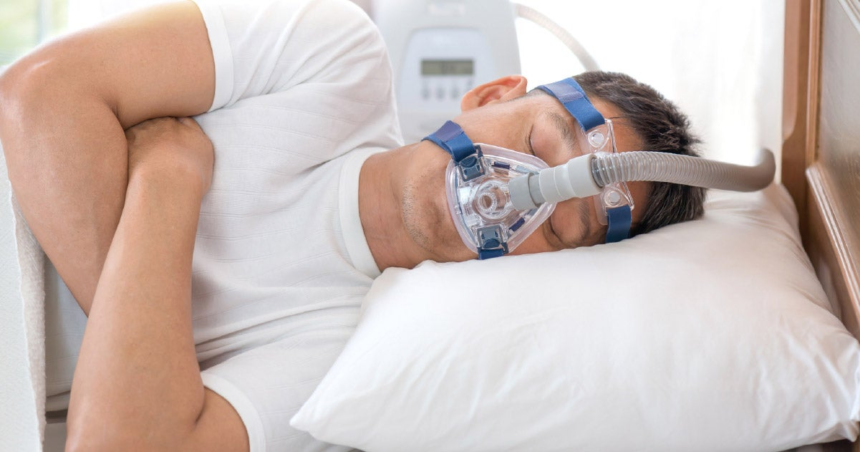
1. CPAP Therapy (Continuous Positive Airway Pressure)
This is the most common and effective treatment.
A CPAP machine delivers steady air pressure through a mask while you sleep. This keeps your airway open and prevents breathing pauses.
Benefits:
- Improves sleep quality
- Reduces snoring
- Boosts energy during the day
- Lowers health risks
2. Lifestyle Changes
For mild cases, lifestyle changes can make a big difference:
- Lose weight if needed
- Avoid alcohol before bed
- Stop smoking
- Sleep on your side instead of your back
- Maintain a regular sleep schedule
3. Oral Appliances
These are special dental devices that help keep the jaw and tongue in a position that keeps the airway open.
They are often used for mild to moderate sleep apnea.
4. Surgery
In severe cases, surgery may be recommended. It may involve:
- Removing enlarged tonsils
- Correcting nasal blockage
- Adjusting throat structure
Surgery is usually considered when other treatments do not work.
5. Oxygen Therapy (In Some Cases)
Some patients may need additional oxygen support during sleep.
Living with Sleep Apnea
Managing sleep apnea is not just about treatment—it also involves daily habits. With proper care, people can live a healthy and active life.
Here are some helpful tips:
- Stick to your treatment plan
- Clean CPAP equipment regularly
- Maintain a healthy weight
- Exercise regularly
- Avoid sleeping pills unless prescribed
- Follow up with your doctor regularly
Consistency is the key to success.
Why Early Diagnosis Is Important
Many people ignore symptoms like snoring or tiredness, thinking it is normal. But untreated sleep apnea can slowly damage your health.
Early sleep apnea diagnosis and treatment helps:
- Prevent heart problems
- Improve mental focus
- Reduce daytime sleepiness
- Improve overall quality of life
- Increase lifespan in severe cases
The sooner you get diagnosed, the easier it is to treat.
Emotional and Daily Life Impact
Sleep apnea does not only affect the body. It also affects emotions and daily life.
People often feel:
- Frustrated due to poor sleep
- Tired at work or school
- Less productive
- Irritable or stressed
After treatment, many patients notice a big improvement in mood, energy, and confidence.
Conclusion
Sleep apnea is a serious but treatable condition. It affects breathing during sleep and can lead to long-term health problems if ignored. Fortunately, modern medicine offers effective solutions like CPAP therapy, lifestyle changes, oral devices, and sometimes surgery.
If you are experiencing symptoms like loud snoring, tiredness, or breathing pauses during sleep, it is important to seek sleep apnea diagnosis and treatment as soon as possible.
With proper diagnosis and consistent care, you can restore healthy sleep, protect your heart, and improve your overall quality of life. Good sleep means a better tomorrow.
FAQs
1. What is the main cause of sleep apnea?
The most common cause is blocked airways due to relaxed throat muscles, especially in obstructive sleep apnea.
2. Can sleep apnea go away naturally?
Mild cases may improve with lifestyle changes, but most cases need medical treatment.
3. Is CPAP therapy uncomfortable?
It may take time to adjust, but most patients get used to it and experience major improvement in sleep quality.
4. Can children have sleep apnea?
Yes, children can also have sleep apnea, often due to enlarged tonsils or adenoids.
5. What happens if sleep apnea is not treated?
It can lead to serious health problems like high blood pressure, heart disease, stroke, and chronic fatigue.