


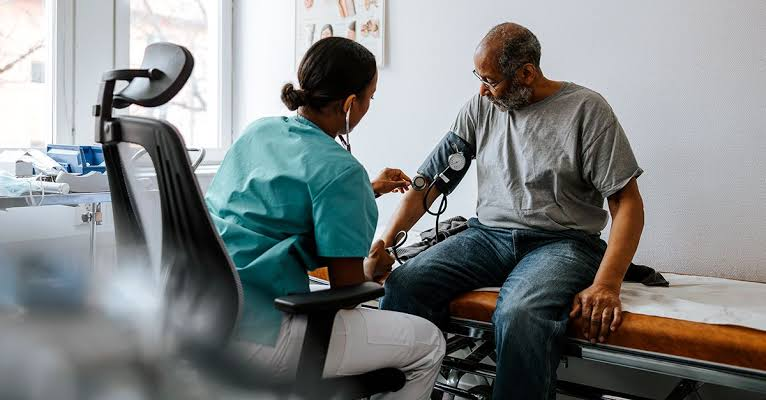
High blood pressure, also known as hypertension, is one of the most common health conditions affecting millions of people worldwide. Many people live with high blood pressure without realizing it because it often develops without noticeable symptoms. However, if left untreated, it can increase the risk of serious health problems such as heart disease, stroke, kidney damage, and vision loss.
Understanding the right treatment for high blood pressure patients is essential for maintaining good health and preventing complications. The good news is that hypertension can often be managed successfully through lifestyle changes, medications, and regular medical care.
In this article, we will explain the causes of high blood pressure, available treatment options, lifestyle changes, medications, and tips for long-term blood pressure control.
What Is High Blood Pressure?
Blood pressure is the force of blood pushing against the walls of your arteries as your heart pumps blood throughout your body. When this pressure remains consistently high, it is known as high blood pressure or hypertension.
A normal blood pressure reading is usually around 120/80 mmHg. If your readings consistently exceed 130/80 mmHg, your doctor may diagnose hypertension.
Because high blood pressure often has no warning signs, it is commonly called the “silent killer.”
Why High Blood Pressure Needs Treatment
Many people ignore high blood pressure because they feel healthy. Unfortunately, untreated hypertension can quietly damage the body over time.
Some possible complications include:
- Heart attack
- Stroke
- Heart failure
- Kidney disease
- Vision problems
- Memory issues
- Damage to blood vessels
Proper treatment can significantly reduce these risks and improve overall quality of life.
Main Goals of High Blood Pressure Treatment
The primary goals of treatment for high blood pressure patients are:
- Lower blood pressure to a healthy range
- Reduce the risk of heart disease and stroke
- Protect organs such as the kidneys and eyes
- Improve long-term health and well-being
Treatment plans are often personalized based on age, medical history, and overall health condition.
Lifestyle Changes for High Blood Pressure Patients
Lifestyle improvements are often the first step in managing hypertension. In many cases, healthy habits can lower blood pressure naturally and reduce the need for medication.
1. Follow a Heart-Healthy Diet
A balanced diet plays a major role in controlling blood pressure.
Foods to include:
- Fresh fruits
- Vegetables
- Whole grains
- Lean proteins
- Low-fat dairy products
- Nuts and seeds
Foods to limit:
- Processed foods
- Fast food
- Sugary drinks
- Excess salt
- Saturated fats
Many healthcare providers recommend the DASH diet (Dietary Approaches to Stop Hypertension), which is specifically designed to help lower blood pressure.
2. Reduce Salt Intake
Too much sodium can increase blood pressure by causing the body to retain water.
Experts often recommend limiting sodium intake to less than 2,300 mg per day, and even lower amounts may benefit people with hypertension.
Simple ways to reduce salt include:
- Reading food labels
- Cooking meals at home
- Avoiding packaged foods
- Using herbs and spices instead of salt
3. Exercise Regularly
Physical activity strengthens the heart and improves blood circulation.
Good exercises include:
- Walking
- Cycling
- Swimming
- Jogging
- Dancing
Most adults should aim for at least 150 minutes of moderate exercise each week.
4. Maintain a Healthy Weight
Being overweight places extra strain on the heart and blood vessels.
Even a small amount of weight loss can lead to noticeable improvements in blood pressure levels.
Combining healthy eating with regular exercise is one of the most effective ways to achieve and maintain a healthy weight.
5. Limit Alcohol Consumption
Excessive alcohol can increase blood pressure and reduce the effectiveness of medications.
Patients should follow their doctor’s recommendations regarding alcohol intake.
6. Quit Smoking
Smoking damages blood vessels and increases the risk of heart disease.
Although smoking may not directly cause long-term hypertension, it significantly raises cardiovascular risks in people who already have high blood pressure.
7. Manage Stress
Chronic stress can contribute to elevated blood pressure.
Stress management techniques include:
- Meditation
- Deep breathing exercises
- Yoga
- Spending time with family
- Getting enough sleep
- Engaging in hobbies
Learning to manage stress effectively can improve both mental and physical health.
Medications for High Blood Pressure Patients
When lifestyle changes alone are not enough, doctors may prescribe medications.
Different types of medications work in different ways to lower blood pressure.
1. Diuretics
Diuretics help the body remove excess salt and water through urine.
These medications reduce the amount of fluid in blood vessels, helping lower blood pressure.
2. ACE Inhibitors
ACE inhibitors relax blood vessels by blocking a hormone that causes them to narrow.
This allows blood to flow more easily throughout the body.
3. Angiotensin II Receptor Blockers (ARBs)
ARBs work similarly to ACE inhibitors and are commonly prescribed for patients who cannot tolerate ACE inhibitors.
4. Calcium Channel Blockers
These medications prevent calcium from entering heart and blood vessel cells, allowing blood vessels to relax.
5. Beta Blockers
Beta blockers reduce the workload on the heart by slowing the heart rate and lowering blood pressure.
6. Other Medications
Depending on the patient’s condition, doctors may prescribe:
- Alpha blockers
- Vasodilators
- Central agonists
- Combination medications
The choice of medication depends on several factors, including age, medical history, and other health conditions.
Importance of Taking Medication Correctly
Many patients stop taking medication once they feel better. This can be dangerous because blood pressure may rise again without symptoms.
Patients should:
- Take medications exactly as prescribed
- Never skip doses
- Refill prescriptions on time
- Discuss side effects with their doctor
- Attend regular medical appointments
Consistent treatment provides the best protection against complications.
Monitoring Blood Pressure at Home
Home blood pressure monitoring helps patients track their progress between doctor visits.
Benefits include:
- Early detection of changes
- Better treatment adjustments
- Improved medication adherence
- Increased awareness of health status
Patients should use a reliable blood pressure monitor and record readings regularly.
Special Considerations for Older Adults
High blood pressure becomes more common with age.
Older adults may require:
- More frequent monitoring
- Lower medication doses
- Additional lifestyle modifications
- Careful management of multiple health conditions
Doctors typically create individualized treatment plans to ensure safety and effectiveness.
When to Seek Immediate Medical Attention
Some symptoms may indicate a dangerous rise in blood pressure.
Seek emergency medical care if you experience:
- Severe chest pain
- Difficulty breathing
- Sudden vision changes
- Severe headache
- Confusion
- Weakness on one side of the body
These symptoms may signal a medical emergency such as a heart attack or stroke.
Long-Term Outlook for High Blood Pressure Patients
The outlook for patients with hypertension is generally very good when treatment is followed consistently.
Successful blood pressure management often involves:
- Healthy eating
- Regular exercise
- Medication adherence
- Stress management
- Routine health checkups
Small daily improvements can lead to significant long-term health benefits.
Conclusion
Finding the right treatment for high blood pressure patients is crucial for protecting the heart, brain, kidneys, and overall health. While hypertension is a serious condition, it can usually be managed effectively through a combination of lifestyle changes and medical treatment.
Eating a healthy diet, staying physically active, reducing stress, maintaining a healthy weight, and taking prescribed medications can help keep blood pressure under control. Regular monitoring and communication with healthcare providers are also important parts of successful treatment.
By taking proactive steps today, high blood pressure patients can enjoy healthier, longer, and more active lives.
Frequently Asked Questions (FAQs)
1. What is the best treatment for high blood pressure patients?
The best treatment usually combines lifestyle changes such as healthy eating, exercise, and weight management with medication when needed. Treatment varies depending on the individual’s health condition.
2. Can high blood pressure be cured permanently?
In many cases, high blood pressure cannot be completely cured, but it can be effectively controlled through proper treatment and healthy lifestyle habits.
3. Which foods help lower blood pressure naturally?
Fruits, vegetables, whole grains, low-fat dairy products, nuts, and foods rich in potassium can help support healthy blood pressure levels.
4. How often should high blood pressure patients check their blood pressure?
Many doctors recommend checking blood pressure regularly at home, especially when starting treatment or adjusting medications. Your doctor can provide personalized guidance.
5. Is exercise safe for people with high blood pressure?
Yes, regular moderate exercise is generally safe and beneficial for most people with hypertension. However, patients should consult their healthcare provider before beginning a new exercise program.