



Kidney stones are one of the most painful health conditions a person can experience. The sharp pain, discomfort, nausea, and difficulty urinating can make everyday life extremely difficult. When kidney stones become severe, finding the best urologist for kidney stone treatment becomes an important step toward recovery.
A skilled urologist can diagnose the cause of kidney stones, recommend the most effective treatment, and help prevent future stone formation. In this article, we will explain everything you need to know about kidney stones, the role of a urologist, available treatment options, and how to choose the right specialist for your care.
What Are Kidney Stones?
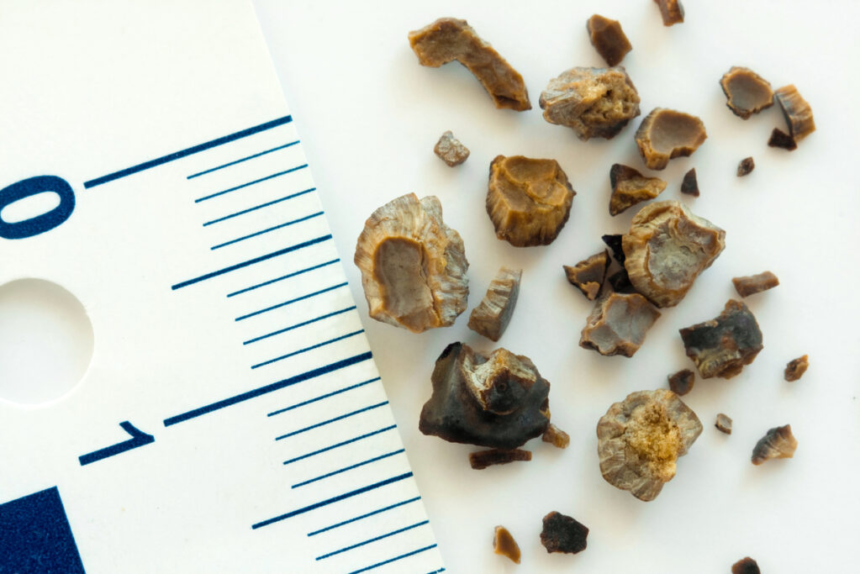
Kidney stones are hard deposits made of minerals and salts that form inside the kidneys. They can vary in size, from tiny crystals to larger stones that may block the urinary tract.
These stones develop when certain substances in the urine become highly concentrated and stick together. Common types of kidney stones include:
- Calcium stones
- Uric acid stones
- Struvite stones
- Cystine stones
Some small stones pass naturally through urine, while larger stones may require medical treatment or surgery.
Symptoms of Kidney Stones
Kidney stones often cause symptoms when they move through the urinary tract. Common signs include:
- Severe pain in the lower back or side
- Pain that spreads to the abdomen or groin
- Burning sensation during urination
- Frequent urge to urinate
- Blood in urine
- Cloudy or foul-smelling urine
- Nausea and vomiting
- Fever and chills if an infection is present
If you experience any of these symptoms, consulting the best urologist for kidney stone treatment can help you receive proper diagnosis and relief.
Why You Need a Urologist for Kidney Stone Treatment
A urologist is a medical specialist who diagnoses and treats conditions affecting the urinary system. This includes the kidneys, bladder, ureters, and urethra.
While some small stones may pass on their own, many patients require expert medical attention. A urologist can:
- Determine the size and location of the stone
- Identify the type of kidney stone
- Recommend suitable treatment options
- Prevent complications
- Help reduce the risk of future stones
Seeking treatment early can prevent kidney damage and reduce unnecessary pain.
How the Best Urologist Diagnoses Kidney Stones
An experienced urologist uses several methods to diagnose kidney stones accurately.
Medical History Review
The doctor will ask questions about:
- Symptoms
- Previous kidney stones
- Family history
- Diet and lifestyle habits
- Existing medical conditions
Physical Examination
A physical exam helps identify pain areas and evaluate overall health.
Imaging Tests
Imaging plays a major role in diagnosis. Common tests include:
- CT scan
- Ultrasound
- X-ray
- MRI in special cases
Urine and Blood Tests
These tests help determine:
- Mineral levels
- Infection presence
- Kidney function
- Stone-forming substances
Accurate diagnosis allows the urologist to create a personalized treatment plan.
Treatment Options Offered by the Best Urologist for Kidney Stone Treatment
Treatment depends on the stone’s size, location, and severity of symptoms.
1. Conservative Treatment
For small stones, the urologist may recommend:
- Drinking plenty of water
- Pain relief medication
- Alpha-blockers to relax urinary tract muscles
Many small stones pass naturally within a few weeks.
2. Shock Wave Lithotripsy (SWL)
This non-invasive procedure uses sound waves to break kidney stones into tiny pieces.
Benefits include:
- No major surgery
- Short recovery time
- Minimal discomfort
SWL is often effective for medium-sized stones.
3. Ureteroscopy
In this procedure, the urologist inserts a thin scope through the urinary tract to locate and remove the stone.
Advantages include:
- High success rate
- No external incision
- Suitable for stones in the ureter or kidney
4. Percutaneous Nephrolithotomy (PCNL)
PCNL is recommended for large kidney stones that cannot be treated with simpler methods.
The surgeon creates a small incision in the back to remove the stone directly.
This treatment is highly effective for complex cases.
5. Laser Kidney Stone Removal
Laser technology allows urologists to break stones into tiny fragments using advanced equipment.
Benefits include:
- Precise treatment
- Faster recovery
- Reduced risk of complications
Many modern urology centers use laser treatment as a preferred option.
Qualities of the Best Urologist for Kidney Stone Treatment
Choosing the right specialist can make a major difference in treatment success.
Experience and Expertise
Look for a urologist who regularly treats kidney stone patients and performs advanced procedures.
Advanced Technology
The best specialists use modern diagnostic tools and minimally invasive techniques.
Strong Patient Reviews
Positive feedback from previous patients often indicates quality care and successful outcomes.
Clear Communication
A good urologist explains:
- Your diagnosis
- Treatment choices
- Risks and benefits
- Recovery expectations
Patients should feel comfortable asking questions and discussing concerns.
Personalized Care
Every kidney stone case is different. The best urologists create treatment plans based on individual needs rather than using a one-size-fits-all approach.
How to Prevent Kidney Stones After Treatment
Even after successful treatment, kidney stones can return. Prevention is an important part of long-term health.
Drink More Water
Hydration is one of the most effective prevention strategies.
Most adults should aim for enough fluids to produce clear or light-yellow urine throughout the day.
Limit Excess Salt
High sodium intake increases calcium levels in urine and may contribute to stone formation.
Eat a Balanced Diet
Focus on:
- Fruits
- Vegetables
- Whole grains
- Moderate protein intake
A healthy diet supports kidney health.
Reduce Sugary Drinks
Soft drinks and sweetened beverages may increase the risk of stone development.
Follow Medical Advice
Your urologist may recommend:
- Dietary changes
- Medications
- Regular follow-up visits
Following these recommendations helps lower the chance of recurrence.
When Should You See a Urologist Immediately?
Some symptoms require urgent medical attention.
Contact a urologist right away if you experience:
- Severe, unbearable pain
- High fever
- Persistent vomiting
- Difficulty urinating
- Blood in urine
- Signs of infection
Prompt treatment can prevent serious complications and protect kidney function.
Final Thoughts
Finding the best urologist for kidney stone treatment is essential for receiving effective care and long-term relief. Kidney stones can cause intense pain and lead to complications if left untreated. Fortunately, experienced urologists have access to advanced diagnostic tools and modern treatment methods that can safely remove stones and prevent future problems.
Whether you need medication, laser treatment, ureteroscopy, or surgery, choosing a qualified specialist ensures the best possible outcome. If you are experiencing symptoms of kidney stones, do not delay seeking professional medical advice. Early treatment can make recovery faster, safer, and more comfortable.
Frequently Asked Questions (FAQs)
1. What type of doctor treats kidney stones?
A urologist is the medical specialist who diagnoses and treats kidney stones and other urinary tract conditions.
2. Can kidney stones go away without surgery?
Yes. Small kidney stones often pass naturally with hydration, medication, and medical supervision.
3. What is the fastest treatment for kidney stones?
The fastest treatment depends on the stone size and location. Laser treatment and ureteroscopy are commonly used for quick stone removal.
4. How do I know if I need a kidney stone procedure?
If the stone is large, causing severe pain, blocking urine flow, or leading to infection, your urologist may recommend a procedure.
5. Can kidney stones come back after treatment?
Yes. Kidney stones can recur, but proper hydration, dietary changes, and regular follow-up care can significantly reduce the risk.