



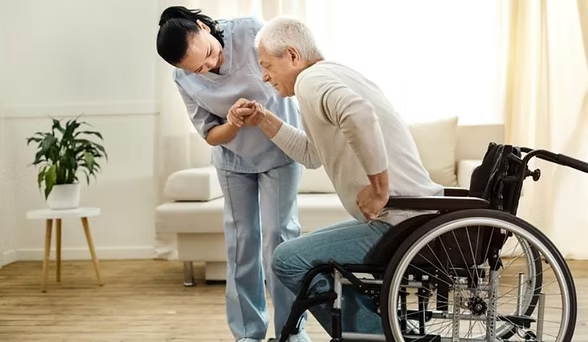
As people grow older, they often need extra support to maintain their health, safety, and quality of life. Many seniors face challenges such as limited mobility, chronic illnesses, memory problems, or difficulty performing everyday tasks. Family members may want to help, but busy schedules, work commitments, and lack of medical training can make it difficult to provide the level of care needed. This is where professional caregivers for senior citizens play an important role.
Professional caregivers are trained individuals who provide physical, emotional, and sometimes medical support to elderly people. Their services help seniors live comfortably, safely, and independently while giving families peace of mind. Whether care is provided at home, in assisted living facilities, or in nursing homes, professional caregivers make a significant difference in the lives of older adults.
Who Are Professional Caregivers?
Professional caregivers are trained professionals who assist elderly individuals with daily activities and personal care. They work closely with seniors to ensure their physical and emotional needs are met. Depending on the level of care required, caregivers may provide companionship, help with household tasks, assist with mobility, or support medical needs.
These caregivers often receive specialized training in elderly care, first aid, dementia support, medication management, and patient safety. Their knowledge allows them to provide personalized care that improves the well-being of senior citizens.
Why Senior Citizens Need Professional Caregivers
Aging brings many physical and emotional changes. Seniors may experience reduced strength, balance issues, memory loss, or health conditions that make everyday life more challenging. Some elderly individuals live alone and may not have family members nearby to help them regularly.
Professional caregivers help bridge this gap by providing reliable assistance and companionship. Their support allows seniors to remain comfortable in familiar surroundings while maintaining as much independence as possible.
Professional caregiving is especially beneficial for seniors who:
- Have difficulty performing daily tasks
- Need assistance with personal hygiene
- Have chronic medical conditions
- Experience memory-related disorders
- Require mobility support
- Feel isolated or lonely
- Need medication reminders
Services Provided by Professional Caregivers
Professional caregivers offer a wide range of services based on the specific needs of each senior citizen.
Personal Care Assistance
One of the primary responsibilities of caregivers is helping seniors with personal hygiene and grooming. This includes:
- Bathing and showering
- Dressing assistance
- Oral hygiene
- Hair care
- Toileting support
- Skin care
These services help seniors maintain dignity and confidence while ensuring proper hygiene.
Medication Reminders
Many seniors take multiple medications daily. Missing doses or taking incorrect amounts can lead to serious health problems. Professional caregivers help by:
- Reminding seniors to take medications
- Monitoring medication schedules
- Reporting side effects to family members or healthcare providers
This support helps reduce medication-related risks.
Mobility Support
As people age, walking and moving around may become difficult. Caregivers assist seniors with:
- Walking safely
- Getting in and out of bed
- Using wheelchairs or walkers
- Preventing falls
- Exercising safely
Mobility assistance helps seniors stay active and reduces the risk of injuries.
Meal Preparation and Nutrition
Proper nutrition is essential for healthy aging. Professional caregivers can:
- Prepare nutritious meals
- Follow dietary restrictions
- Assist with feeding when necessary
- Monitor eating habits
- Encourage hydration
Healthy meals contribute to better energy levels and overall health.
Housekeeping Assistance
Maintaining a clean home can become difficult for elderly individuals. Caregivers often help with:
- Laundry
- Dishwashing
- Vacuuming
- Dusting
- Organizing living spaces
A clean environment improves safety and comfort.
Companionship and Emotional Support
Loneliness is a common issue among senior citizens. Professional caregivers provide companionship by:
- Engaging in conversations
- Playing games
- Reading books
- Accompanying seniors on walks
- Participating in hobbies and activities
Emotional support helps reduce feelings of isolation and improves mental well-being.
Benefits of Hiring Professional Caregivers for Senior Citizens
Improved Quality of Life
Professional caregivers help seniors enjoy a higher quality of life by assisting with daily activities and encouraging independence. Seniors often feel happier and more secure when they receive consistent support.
Enhanced Safety
Falls and accidents are common concerns for older adults. Caregivers help create a safer environment by monitoring mobility, identifying hazards, and providing immediate assistance when needed.
Personalized Care
Every senior has unique needs. Professional caregivers develop customized care plans that address individual health conditions, preferences, and daily routines.
Reduced Family Stress
Family caregivers often experience emotional and physical exhaustion. Hiring a professional caregiver reduces stress and allows family members to focus on spending quality time with their loved ones rather than managing every aspect of care.
Better Health Monitoring
Caregivers observe changes in a senior’s physical and emotional condition. Early detection of health issues can lead to faster medical intervention and better outcomes.
Professional Caregivers and Dementia Care
Many senior citizens suffer from dementia or Alzheimer’s disease. These conditions affect memory, communication, and behavior. Professional caregivers trained in dementia care understand how to manage these challenges effectively.
They provide:
- Structured daily routines
- Memory support activities
- Safety supervision
- Emotional reassurance
- Assistance with communication
Specialized dementia care can significantly improve the quality of life for both seniors and their families.
Home Care vs. Facility-Based Care
Professional caregivers may provide services in different settings.
Home Care
Many seniors prefer receiving care at home because it allows them to remain in familiar surroundings. Home care offers:
- Personalized attention
- Greater independence
- Familiar environment
- Flexible care schedules
Assisted Living Facilities
These communities provide housing, meals, and support services for seniors who need moderate assistance.
Nursing Homes
Nursing homes offer comprehensive medical care and supervision for seniors with complex health conditions.
Choosing the right care option depends on the senior’s health, lifestyle, and level of support required.
How to Choose the Right Professional Caregiver
Selecting the right caregiver is an important decision. Families should consider several factors before hiring.
Experience and Training
Look for caregivers with proper training and experience in senior care. Specialized certifications can be an added advantage.
Communication Skills
A caregiver should communicate clearly and respectfully with both seniors and family members.
Reliability
Dependability is essential. Families should verify references and background information before hiring.
Compassion and Patience
Caring for elderly individuals requires empathy, understanding, and patience. A compassionate caregiver can build trust and create a positive caregiving experience.
Compatibility
The caregiver’s personality should match the senior’s preferences and lifestyle to ensure a comfortable relationship.
The Growing Demand for Professional Caregivers
The global senior population continues to grow rapidly. As life expectancy increases, more families are seeking professional caregiving services. This growing demand highlights the importance of trained caregivers in supporting healthy and dignified aging.
Healthcare experts recognize that professional caregivers play a critical role in helping seniors maintain independence while receiving the care they need. Their services are becoming increasingly valuable in modern society.
Conclusion
Professional caregivers for senior citizens provide essential support that improves safety, comfort, and overall quality of life. From personal care and mobility assistance to companionship and emotional support, caregivers help seniors maintain dignity and independence as they age.
For families, professional caregiving offers peace of mind knowing their loved ones are receiving compassionate and reliable care. Whether assistance is needed for a few hours each week or around-the-clock support, professional caregivers make a meaningful difference in the lives of elderly individuals.
Investing in quality senior care is not just about meeting physical needs—it is about ensuring that older adults can continue to live with respect, happiness, and dignity throughout their golden years.
Frequently Asked Questions (FAQs)
1. What does a professional caregiver do for senior citizens?
A professional caregiver assists seniors with daily activities such as bathing, dressing, meal preparation, medication reminders, mobility support, housekeeping, and companionship.
2. Are professional caregivers medically trained?
Some caregivers receive specialized training in senior care, first aid, dementia support, and medication management. However, medical qualifications vary depending on the caregiver’s role.
3. Can professional caregivers help seniors with dementia?
Yes. Many professional caregivers are trained to support individuals with dementia and Alzheimer’s disease by providing supervision, structured routines, and emotional support.
4. Is home care better than a nursing home?
It depends on the senior’s needs. Home care offers personalized support in a familiar environment, while nursing homes provide more comprehensive medical care for individuals with complex health conditions.
5. How do I choose the best professional caregiver for a senior family member?
Consider factors such as experience, training, references, communication skills, reliability, compassion, and compatibility with the senior’s personality and care needs.