


Acne scars can affect more than just your skin—they can impact your confidence, self-esteem, and how you feel when you look in the mirror. Many people search online for “best dermatologist for acne scars near me” because they want real solutions that actually work, not temporary fixes. The good news is that modern dermatology offers many advanced treatments that can significantly reduce or even remove acne scars.
In this article, we will explain how to find the right dermatologist, what treatments are available, and what you should expect during your journey toward clearer skin.
Understanding Acne Scars
Before choosing a dermatologist, it is important to understand what acne scars actually are.
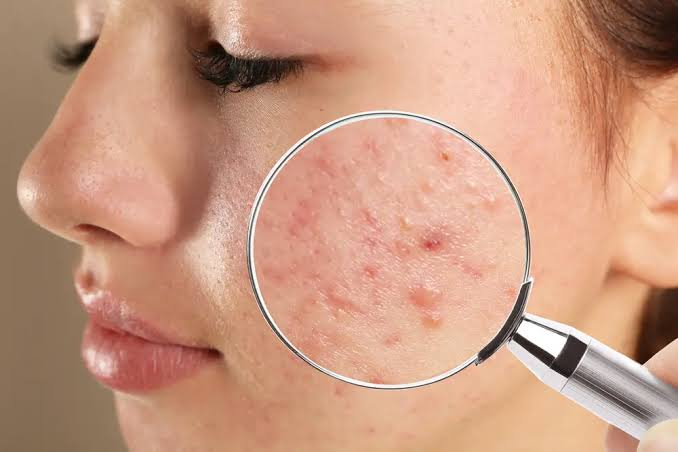
Acne scars form when deep acne damages the skin and the tissue beneath it. When the skin tries to heal itself, it sometimes produces too much or too little collagen, leading to visible marks.
There are different types of acne scars:
- Atrophic scars (depressed scars): These are small dents or pits in the skin.
- Hypertrophic scars: These are raised, thick scars caused by excess collagen.
- Boxcar scars: Broad, box-like depressions.
- Ice pick scars: Deep, narrow scars that look like tiny holes.
A qualified specialist in Dermatology can identify your scar type and recommend the best treatment plan.
Why You Need a Dermatologist for Acne Scars
Many people try home remedies, creams, or online treatments, but acne scars are not easy to treat without professional help.
A dermatologist has the training and tools to:
- Diagnose your skin condition accurately
- Identify the type and depth of scars
- Create a customized treatment plan
- Use advanced medical procedures safely
- Prevent further skin damage
Searching for the “best dermatologist for acne scars near me” means you are looking for someone who understands both medical science and cosmetic skin repair.
How to Find the Best Dermatologist Near You
When choosing a dermatologist, don’t rush. The right specialist can make a huge difference in your results.
1. Check Qualifications and Experience
Look for board-certified dermatologists with experience in treating acne scars specifically. Experience matters more than general skincare knowledge.
2. Read Patient Reviews
Online reviews help you understand real patient experiences. Look for comments about results, behavior, and clinic environment.
3. Ask About Treatment Options
A good dermatologist should offer multiple treatments, not just one solution.
4. Look at Before and After Results
Most experienced dermatologists show real patient results to demonstrate effectiveness.
5. Consultation Quality
During your first visit, the doctor should carefully examine your skin and explain treatment options clearly.
Common Treatments for Acne Scars
Modern dermatology offers several effective treatments depending on your scar type and skin condition.
1. Laser Treatment
Laser therapy is one of the most popular options. It removes damaged skin layers and promotes new skin growth.
There are different types:
- Fractional laser
- CO2 laser
- Non-ablative laser
2. Microneedling
This treatment uses tiny needles to create controlled injuries in the skin, stimulating collagen production.
3. Chemical Peels
A chemical solution is applied to remove the top layer of skin, improving texture and reducing scars.
4. Dermal Fillers
Fillers are used to lift depressed scars and make the skin surface smoother.
5. Subcision
This minor surgical procedure breaks scar tissue beneath the skin to release deep scars.
6. PRP Therapy (Platelet-Rich Plasma)
This uses your own blood platelets to heal and regenerate skin naturally.
A specialist in Dermatology will decide which combination of treatments is best for you.
What to Expect During Treatment
When you visit a dermatologist for acne scars, the process usually includes:
Step 1: Skin Analysis
The doctor examines your skin type, scars, and medical history.
Step 2: Treatment Plan
A personalized plan is created based on your needs and budget.
Step 3: Treatment Sessions
Most acne scar treatments require multiple sessions for best results.
Step 4: Recovery Time
Some treatments may cause mild redness or swelling, but this usually improves in a few days.
Step 5: Follow-Up Care
Regular follow-ups help track improvement and adjust treatments if needed.
Tips to Get Better Results
If you want faster and better results from acne scar treatment, follow these tips:
- Always follow dermatologist instructions
- Avoid sun exposure after treatments
- Use sunscreen daily
- Keep your skin clean and hydrated
- Avoid picking or scratching your skin
- Be consistent with follow-up sessions
Patience is important because acne scar improvement takes time.
How Much Does Acne Scar Treatment Cost?
The cost varies depending on:
- Type of treatment
- Number of sessions
- Severity of scars
- Location of clinic
- Doctor’s experience
Laser treatments are usually more expensive, while chemical peels and microneedling are more affordable. A consultation with a dermatologist will give you a clear idea of pricing.
Choosing the Right Treatment for You
Not every treatment works for every person. For example:
- Deep scars may need laser + subcision
- Mild scars may improve with chemical peels
- Uneven texture may respond well to microneedling
- Depressed scars may need fillers
That’s why professional evaluation is very important.
Final Thoughts
Finding the “best dermatologist for acne scars near me” is not just about location—it’s about trust, experience, and the right treatment approach. Acne scars can be challenging, but with modern medical solutions and the right care, your skin can improve significantly over time.
If you are struggling with acne scars, the best step is to consult a qualified dermatologist who can guide you through a safe and effective treatment plan tailored to your skin.
Clear skin is possible—you just need the right expert to help you achieve it.
FAQs
1. How long does it take to remove acne scars?
It depends on the treatment and scar type. Most people see improvement in 3 to 6 sessions over a few months.
2. Are acne scar treatments painful?
Most treatments cause mild discomfort, but doctors use numbing creams or local anesthesia to reduce pain.
3. Can acne scars be completely removed?
Some scars can be fully removed, while others can be significantly reduced in appearance.
4. Which treatment is best for deep acne scars?
Deep scars often respond best to a combination of laser treatment and subcision.
5. Is acne scar treatment safe for all skin types?
Yes, but the dermatologist will choose the safest method based on your skin type and condition.