


Skin cancer is one of the most common types of cancer worldwide. Many people spend years enjoying outdoor activities without realizing that prolonged exposure to the sun can increase their risk of developing skin cancer. The good news is that when skin cancer is found early, treatment is often more successful and less complicated. This is why visiting a skin cancer screening dermatologist is so important.
A dermatologist is a medical specialist who diagnoses and treats conditions affecting the skin, hair, and nails. During a skin cancer screening, a dermatologist carefully examines your skin for unusual spots, moles, or growths that may indicate cancer or precancerous changes. Regular screenings can help detect skin cancer before it spreads, improving treatment outcomes and protecting your overall health.
What Is Skin Cancer?
Skin cancer occurs when abnormal skin cells grow uncontrollably. It often develops because of damage caused by ultraviolet (UV) radiation from the sun or tanning beds. While skin cancer can appear anywhere on the body, it is most common in areas frequently exposed to sunlight, such as the face, neck, arms, and legs.
The three most common types of skin cancer include:
Basal Cell Carcinoma (BCC)
Basal cell carcinoma is the most common form of skin cancer. It usually grows slowly and rarely spreads to other parts of the body. However, if left untreated, it can damage nearby tissues.
Squamous Cell Carcinoma (SCC)
Squamous cell carcinoma is another common skin cancer. It may appear as a rough, scaly patch or a sore that does not heal. Early treatment is important because it can spread if ignored.
Melanoma
Melanoma is the most dangerous type of skin cancer. It develops in the cells that produce skin pigment. Melanoma can spread quickly to other organs if not detected early. This is why routine skin cancer screenings are essential.
What Is a Skin Cancer Screening?
A skin cancer screening is a professional examination of your skin performed by a dermatologist. The goal is to identify suspicious moles, spots, or growths that could be cancerous or become cancerous in the future.
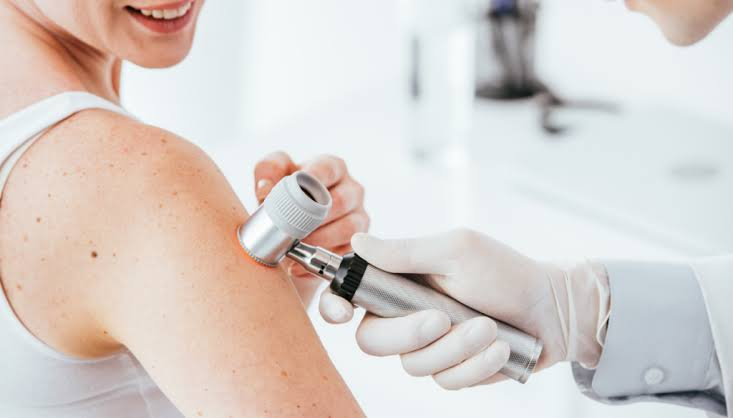
During the screening, the dermatologist checks your skin from head to toe. They may use a special tool called a dermatoscope to get a closer look at skin lesions and moles.
The screening is quick, painless, and non-invasive. In most cases, it takes between 10 and 30 minutes, depending on the number of spots that need examination.
Why Should You Visit a Skin Cancer Screening Dermatologist?
Many people assume they only need to see a dermatologist when they notice a problem. However, skin cancer can develop silently without obvious symptoms. A dermatologist has specialized training to recognize early warning signs that most people may overlook.
Benefits of skin cancer screening include:
- Early detection of skin cancer
- Increased treatment success rates
- Reduced risk of cancer spreading
- Peace of mind regarding skin health
- Identification of precancerous lesions
- Professional advice on skin protection
Regular screenings can potentially save lives by catching dangerous changes before they become serious.
Who Should Get Skin Cancer Screenings?
Everyone can benefit from monitoring their skin health, but some people have a higher risk of developing skin cancer.
You may need regular screenings if you:
- Have fair skin
- Spend significant time outdoors
- Have a history of sunburns
- Use tanning beds
- Have many moles
- Have a family history of skin cancer
- Have previously had skin cancer
- Have a weakened immune system
- Notice changing or unusual skin spots
Even if you do not fall into these categories, routine skin examinations are still a smart part of preventive healthcare.
Signs That May Require Immediate Evaluation
You should schedule an appointment with a dermatologist if you notice:
Changes in Moles
Watch for moles that change in size, shape, color, or texture.
New Skin Growths
Any new growth that appears and continues to grow should be evaluated.
Sores That Do Not Heal
A wound or sore that remains open for several weeks may be a warning sign.
Persistent Itching or Bleeding
Skin lesions that itch, bleed, or become painful deserve professional attention.
Dark or Irregular Spots
Uneven pigmentation or irregular borders can sometimes indicate melanoma.
The earlier these signs are evaluated, the better the chances of successful treatment.
What Happens During a Skin Cancer Screening Appointment?
Many people feel nervous before their first screening, but the process is simple and comfortable.
Medical History Review
The dermatologist will ask about:
- Personal medical history
- Family history of skin cancer
- Previous sun exposure
- Current skin concerns
Full Skin Examination
Your dermatologist examines your skin from head to toe, including areas that are not usually exposed to the sun.
Mole Assessment
Any suspicious moles or spots are examined closely using specialized tools.
Biopsy if Necessary
If a spot appears concerning, the dermatologist may recommend a skin biopsy. A small sample is removed and sent to a laboratory for testing.
Follow-Up Recommendations
You will receive guidance on monitoring your skin and scheduling future screenings.
How Often Should You Have a Skin Cancer Screening?
The frequency depends on your individual risk factors.
General recommendations include:
- Average-risk individuals: Every one to three years
- High-risk individuals: Once a year or as recommended
- Previous skin cancer patients: More frequent monitoring
Your dermatologist can create a screening schedule tailored to your needs.
Tips for Preventing Skin Cancer
While screenings are important, prevention remains the best defense.
Use Sunscreen Daily
Choose a broad-spectrum sunscreen with SPF 30 or higher.
Avoid Peak Sun Hours
Limit direct sun exposure between 10 a.m. and 4 p.m. when UV rays are strongest.
Wear Protective Clothing
Long sleeves, hats, and sunglasses can help protect your skin.
Avoid Tanning Beds
Artificial UV radiation can significantly increase skin cancer risk.
Perform Monthly Self-Exams
Check your skin regularly for new or changing spots.
Combining prevention with professional screenings offers the strongest protection against skin cancer.
The Importance of Early Detection
One of the biggest advantages of seeing a skin cancer screening dermatologist is early detection. When skin cancer is discovered in its early stages, treatment is often simpler, less invasive, and more effective.
For example, early-stage melanoma has a significantly higher survival rate than advanced melanoma. Detecting cancer before it spreads can reduce medical costs, minimize treatment complications, and improve quality of life.
Many people who undergo regular screenings discover suspicious spots before they become dangerous. This proactive approach allows for early intervention and better outcomes.
Choosing the Right Skin Cancer Screening Dermatologist
When selecting a dermatologist, consider:
- Board certification
- Experience with skin cancer detection
- Positive patient reviews
- Convenient location
- Comprehensive skin examination services
A qualified dermatologist can provide expert care, accurate diagnosis, and personalized treatment recommendations.
Conclusion
A skin cancer screening dermatologist plays a vital role in protecting your skin health and overall well-being. Skin cancer is highly treatable when detected early, making routine screenings one of the most effective preventive healthcare measures available.
Whether you have a family history of skin cancer, spend time outdoors, or simply want peace of mind, scheduling regular skin cancer screenings is a smart investment in your health. By combining professional examinations with good sun protection habits, you can significantly reduce your risk and catch potential problems before they become serious.
Your skin is your body’s largest organ, and it deserves regular care and attention. Don’t wait for symptoms to appear—consider making skin cancer screening a regular part of your healthcare routine.
Frequently Asked Questions (FAQs)
1. What does a skin cancer screening dermatologist do?
A skin cancer screening dermatologist examines your skin for unusual moles, growths, and lesions that may indicate skin cancer or precancerous changes.
2. Is a skin cancer screening painful?
No. A skin cancer screening is typically painless and non-invasive. The dermatologist visually examines your skin and may use special tools for closer inspection.
3. How long does a skin cancer screening take?
Most screenings take between 10 and 30 minutes, depending on the number of areas being examined.
4. Can skin cancer be cured if found early?
Yes. Many forms of skin cancer, including melanoma, have excellent treatment outcomes when detected and treated early.
5. How often should I see a dermatologist for skin cancer screening?
Most people should have periodic screenings, while high-risk individuals may need annual or more frequent examinations based on their dermatologist’s recommendation.