


Introduction
Vision is one of the most important senses that helps us enjoy everyday life. As people age, many experience changes in their eyesight, and one of the most common eye conditions is cataracts. Cataracts can make vision blurry, cloudy, and less clear, making daily activities such as reading, driving, and recognizing faces more difficult. Fortunately, modern cataract surgery is a safe and effective solution.
Before undergoing surgery, patients usually attend a cataract surgery consultation. This consultation is an essential step that helps eye specialists evaluate your condition, discuss treatment options, and determine whether surgery is the right choice for you.
In this guide, we will explain everything you need to know about a cataract surgery consultation, what happens during the appointment, how to prepare, and what benefits you can expect.
What Is a Cataract?
A cataract occurs when the natural lens of the eye becomes cloudy. The lens normally helps focus light onto the retina, allowing you to see clearly. When cataracts develop, vision gradually becomes blurred and dim.
Common symptoms of cataracts include:
- Blurry or cloudy vision
- Difficulty seeing at night
- Increased sensitivity to light
- Faded or yellowed colors
- Double vision in one eye
- Frequent changes in eyeglass prescriptions
Cataracts usually develop slowly and are most common among older adults, although they can also occur due to injury, medical conditions, or certain medications.
What Is a Cataract Surgery Consultation?
A cataract surgery consultation is a detailed examination and discussion with an eye care professional before cataract surgery.
The purpose of the consultation is to:
- Confirm the presence of cataracts
- Assess the severity of vision loss
- Determine if surgery is necessary
- Evaluate overall eye health
- Discuss lens implant options
- Answer patient questions and concerns
This appointment allows both the patient and the surgeon to make informed decisions regarding treatment.
Why Is a Consultation Important?
Many people wonder why they cannot simply schedule surgery immediately. The consultation is important because every patient’s eyes and vision needs are different.
During the consultation, your eye doctor can:
Evaluate Vision Problems
The doctor will determine whether cataracts are truly responsible for your vision issues or if another eye condition may be contributing to your symptoms.
Check Eye Health
Certain conditions such as glaucoma, macular degeneration, diabetic retinopathy, or dry eye disease can affect surgical planning and outcomes.
Customize Treatment
Modern cataract surgery offers several types of intraocular lenses (IOLs). Your consultation helps identify which lens best matches your lifestyle and visual goals.
Improve Surgical Results
Detailed measurements taken during the consultation help ensure accurate lens selection and better vision after surgery.
What Happens During a Cataract Surgery Consultation?
A cataract surgery consultation typically involves several steps.
1. Medical History Review
The eye specialist will ask about:
- Current symptoms
- Medical conditions
- Previous eye surgeries
- Medications you take
- Family eye health history
Providing accurate information helps the doctor understand your overall health and potential surgical risks.
2. Vision Testing
Several vision tests may be performed to assess how cataracts affect your eyesight.
These tests may include:
- Visual acuity testing
- Refraction testing
- Contrast sensitivity testing
- Reading vision assessment
These evaluations help determine the extent of vision impairment.
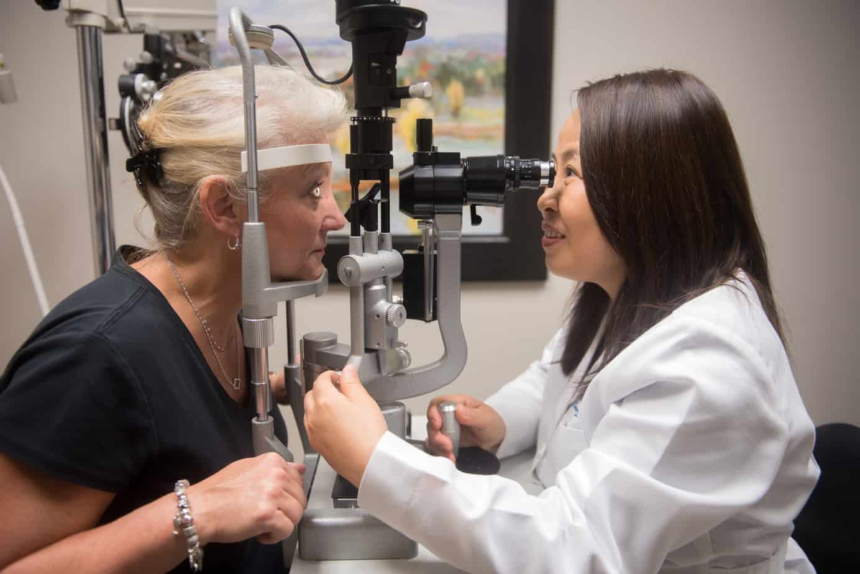
3. Eye Examination
Your eyes will be carefully examined using specialized equipment.
The doctor may evaluate:
- Cornea
- Lens
- Retina
- Optic nerve
- Eye pressure
Dilating eye drops are often used to provide a clearer view of internal eye structures.
4. Eye Measurements
Accurate eye measurements are critical for selecting the proper artificial lens.
Measurements may include:
- Eye length
- Corneal curvature
- Pupil size
- Anterior chamber depth
These calculations help determine the ideal lens power for optimal vision correction.
5. Discussion of Lens Options
One of the most important parts of the consultation is choosing an intraocular lens (IOL).
Common options include:
Monofocal Lenses
These lenses provide clear vision at one distance, usually far vision. Patients may still need reading glasses.
Multifocal Lenses
These lenses help patients see at multiple distances and may reduce dependence on glasses.
Toric Lenses
Toric lenses correct astigmatism while replacing the cloudy cataract lens.
Your surgeon will explain the advantages and limitations of each option.
Questions Your Surgeon May Ask
During the consultation, your surgeon may ask about your lifestyle and visual preferences.
For example:
- Do you drive frequently at night?
- Do you spend long hours reading?
- Do you use a computer regularly?
- Would you prefer less dependence on glasses?
Your answers help guide lens recommendations.
Questions You Should Ask During the Consultation
A cataract surgery consultation is also an opportunity for patients to ask questions.
Consider asking:
- Am I a good candidate for surgery?
- Which lens option is best for me?
- What results can I realistically expect?
- What are the risks involved?
- How long is the recovery period?
- Will I need glasses after surgery?
Asking questions can help you feel more confident and informed.
How to Prepare for a Cataract Surgery Consultation
Proper preparation can make your consultation more productive.
Bring Your Medical Information
Prepare a list of:
- Current medications
- Medical conditions
- Allergies
- Previous surgeries
Bring Current Eyeglasses
Your current prescription glasses may help the doctor understand your vision needs.
Write Down Questions
Many patients forget important questions during appointments. Writing them down beforehand can be helpful.
Bring a Family Member
Having a trusted friend or family member attend the consultation can provide additional support and help remember important information.
Benefits of Cataract Surgery
Cataract surgery is one of the most commonly performed and successful medical procedures worldwide.
Benefits may include:
Improved Vision
Most patients experience significantly clearer vision after surgery.
Better Quality of Life
Improved eyesight allows greater independence and confidence in daily activities.
Enhanced Safety
Clear vision can reduce the risk of falls and accidents.
Brighter Colors
Many patients notice that colors appear more vibrant after cataract removal.
Reduced Dependence on Glasses
Depending on the lens selected, some patients may need glasses less frequently.
Understanding the Surgery Process
Cataract surgery is typically performed as an outpatient procedure.
The process usually involves:
- Numbing the eye with drops
- Creating a tiny incision
- Removing the cloudy lens
- Inserting an artificial lens
- Allowing the eye to heal naturally
The procedure generally takes less than 30 minutes and patients return home the same day.
Recovery After Cataract Surgery
Recovery is usually quick and straightforward.
Most patients notice vision improvement within a few days.
Common recovery guidelines include:
- Using prescribed eye drops
- Avoiding heavy lifting
- Protecting the eye from injury
- Attending follow-up appointments
- Following surgeon instructions carefully
Complete healing often occurs within several weeks.
Potential Risks
Although cataract surgery is very safe, every surgery carries some risks.
Possible complications may include:
- Infection
- Inflammation
- Swelling
- Retinal detachment
- Increased eye pressure
- Vision changes
Fortunately, serious complications are rare, especially when surgery is performed by an experienced eye surgeon.
Conclusion
A cataract surgery consultation is the first and most important step toward restoring clear vision. During this appointment, your eye specialist carefully evaluates your eyes, discusses treatment options, and helps create a personalized surgical plan. The consultation allows you to understand the procedure, choose the right lens, and ask important questions before surgery.
If cataracts are affecting your daily life, scheduling a cataract surgery consultation can help you take the next step toward better vision and improved quality of life. With modern technology and experienced eye care professionals, cataract surgery remains one of the safest and most effective procedures available today.
Frequently Asked Questions (FAQs)
1. How long does a cataract surgery consultation take?
Most cataract surgery consultations take between 60 and 90 minutes, depending on the tests and evaluations required.
2. Is cataract surgery painful?
No. Cataract surgery is generally painless because numbing eye drops are used during the procedure.
3. How do I know if I need cataract surgery?
If cataracts are significantly affecting your daily activities, driving, reading, or overall quality of life, your eye doctor may recommend surgery.
4. Can both eyes be treated at the same time?
In most cases, surgeons treat one eye at a time. The second eye is usually scheduled after the first eye has healed.
5. Will I still need glasses after cataract surgery?
It depends on the type of lens implanted and your vision needs. Some patients still need reading glasses, while others experience reduced dependence on corrective eyewear.