


Introduction
Good eyesight is one of the most important parts of a healthy life. We use our eyes for almost everything—reading, working, driving, using mobile phones, and recognizing people. But many people ignore their eye health until they start facing serious vision problems.
That is where a comprehensive eye examination near me becomes very important. It is not just a simple vision test. It is a complete check-up of your eyes that helps detect vision problems, eye diseases, and even early signs of serious health conditions.
In this article, we will explain what a comprehensive eye examination is, why it is important, what happens during the exam, and how to find the right eye care provider near you.
What Is a Comprehensive Eye Examination?
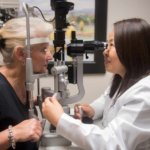
A comprehensive eye examination is a detailed and complete check-up of your eyes performed by an eye specialist or optometrist. Unlike a basic vision screening, it looks deeply into the overall health of your eyes.
It includes tests for:
- Vision clarity
- Eye coordination
- Eye pressure
- Retina health
- Early signs of eye diseases
It also helps detect hidden problems that you may not notice in daily life.
In the field of Ophthalmology, comprehensive eye exams are considered one of the most important preventive care steps.
Why Search for “Comprehensive Eye Examination Near Me”?
People search this keyword because they want:
- Quick access to nearby eye clinics
- Trusted local eye specialists
- Easy appointment booking
- Affordable eye care services
- Emergency eye check-ups
When you search “near me,” it helps you find clinics close to your location so you can get timely treatment without traveling far.
Why Is a Comprehensive Eye Examination Important?
Many eye diseases develop slowly without obvious symptoms. A comprehensive eye exam helps detect problems early before they become serious.
1. Early Detection of Eye Diseases
Conditions like glaucoma, cataracts, and macular degeneration can damage vision permanently if not detected early.
2. Accurate Vision Correction
You may think your glasses prescription is correct, but your vision can change over time. This exam ensures you get the right prescription.
3. Detects Health Problems
Eye exams can reveal signs of:
- Diabetes
- High blood pressure
- High cholesterol
4. Prevents Vision Loss
Early treatment can prevent permanent vision damage.
5. Improves Quality of Life
Clear vision improves learning, working, driving, and daily comfort.
Who Should Get a Comprehensive Eye Exam?
Everyone should have regular eye check-ups, but some people need them more often.
You should get an eye exam if you:
- Have blurry vision
- Wear glasses or contact lenses
- Experience headaches or eye strain
- Are over 40 years old
- Have diabetes or high blood pressure
- Work long hours on screens
Even if your vision seems fine, regular exams are still important.
What Happens During a Comprehensive Eye Examination?
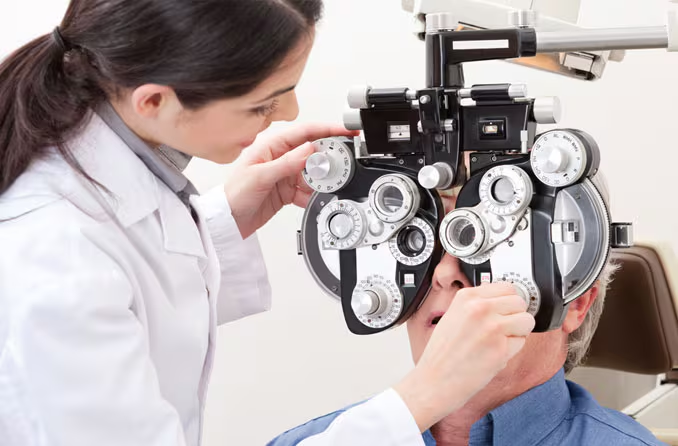
A comprehensive eye exam includes several steps. It is simple, painless, and usually takes 30 to 60 minutes.
1. Patient History
The doctor will ask about:
- Your vision problems
- Medical conditions
- Family history of eye diseases
- Current medications
2. Visual Acuity Test
This test checks how clearly you can see letters or symbols from a distance.
3. Refraction Test
This determines if you need glasses or a new prescription.
4. Eye Muscle Test
The doctor checks how well your eye muscles work together.
5. Eye Pressure Test
This test checks for glaucoma by measuring pressure inside the eye.
6. Retina Examination
The doctor examines the back of your eye to check the retina and optic nerve.
7. Slit Lamp Examination
A special microscope is used to examine the front part of your eye.
Signs You Need an Eye Examination Immediately
Do not wait if you experience:
- Sudden vision loss
- Flashes of light
- Eye pain or redness
- Double vision
- Frequent headaches
- Trouble seeing at night
These symptoms may indicate serious eye problems.
How to Find the Best “Comprehensive Eye Examination Near Me”
Finding the right eye clinic is important for accurate diagnosis and treatment.
1. Check Qualifications
Choose certified eye doctors or licensed optometrists.
2. Read Reviews
Look at patient reviews online to understand service quality.
3. Check Equipment
Modern clinics use advanced diagnostic tools for better accuracy.
4. Location Convenience
Pick a clinic near your home or workplace.
5. Affordable Pricing
Compare prices but never compromise on quality.
Benefits of Regular Eye Examinations
Getting regular eye check-ups has many advantages:
- Better vision clarity
- Early disease detection
- Reduced risk of vision loss
- Better academic and work performance
- Improved eye comfort
Even if you feel your eyesight is normal, regular check-ups are still important.
Eye Care Tips for Healthy Vision
Along with eye exams, you can protect your vision by following simple habits:
- Take breaks from screens every 20 minutes
- Eat foods rich in vitamin A and omega-3
- Wear sunglasses outdoors
- Avoid rubbing your eyes
- Stay hydrated
- Sleep well
These habits support long-term eye health.
When Should You Visit an Eye Doctor?
Experts recommend:
- Children: First exam at 6 months, then regularly
- Adults: Every 1–2 years
- People over 40: Every year
- People with health conditions: As advised by doctor
Regular visits help maintain healthy vision throughout life.
Conclusion
A comprehensive eye examination near me is one of the most important steps you can take to protect your vision. It is not just about checking if you need glasses—it is about understanding the full health of your eyes.
Through early detection, accurate diagnosis, and preventive care, you can avoid many serious eye problems in the future. Whether you are experiencing vision issues or simply want a routine check-up, visiting a nearby eye clinic ensures you get timely and professional care.
Healthy eyes mean a better quality of life, so make eye examinations a regular part of your health routine.
Frequently Asked Questions (FAQs)
1. What is included in a comprehensive eye examination?
It includes vision testing, eye pressure check, retina examination, and overall eye health evaluation.
2. How long does a full eye exam take?
A comprehensive eye exam usually takes between 30 to 60 minutes.
3. Is a comprehensive eye exam painful?
No, it is completely painless and safe for all age groups.
4. How often should I get my eyes checked?
Adults should get an eye exam every 1–2 years, while older adults may need yearly check-ups.
5. Can eye exams detect other health problems?
Yes, eye exams can sometimes detect early signs of diabetes, high blood pressure, and other health conditions.