


Introduction
The shoulder is one of the most flexible and important joints in the human body. It allows us to lift, reach, throw, push, and perform many daily activities. Because of its wide range of movement, the shoulder is also more vulnerable to injuries. Shoulder injuries can happen to athletes, workers, older adults, and even people performing simple daily tasks.
Pain, stiffness, weakness, and reduced mobility can make everyday activities difficult. Fortunately, with proper treatment for shoulder injuries, most people can recover successfully and return to their normal lifestyle.
This article explains common shoulder injuries, their causes, symptoms, diagnosis, treatment options, and recovery tips in simple and easy-to-understand language.
Understanding Shoulder Injuries
The shoulder is made up of bones, muscles, tendons, ligaments, and cartilage that work together to provide movement and stability. An injury to any of these structures can cause pain and limit shoulder function.
Some shoulder injuries happen suddenly due to falls, sports accidents, or lifting heavy objects. Others develop gradually because of repetitive movements or age-related wear and tear.
Common Types of Shoulder Injuries
1. Rotator Cuff Injuries
The rotator cuff is a group of muscles and tendons that help stabilize the shoulder joint. Rotator cuff injuries are among the most common shoulder problems.
Symptoms include:
- Pain when lifting the arm
- Weakness in the shoulder
- Difficulty sleeping on the affected side
- Limited range of motion
2. Shoulder Dislocation
A shoulder dislocation occurs when the upper arm bone slips out of the shoulder socket.
Common symptoms include:
- Severe pain
- Visible deformity
- Swelling
- Inability to move the shoulder normally
3. Shoulder Impingement
This condition happens when shoulder tendons become compressed during arm movements.
Symptoms may include:
- Pain when raising the arm
- Shoulder weakness
- Discomfort during overhead activities
4. Frozen Shoulder
Frozen shoulder causes stiffness and pain that gradually worsen over time.
Symptoms include:
- Reduced movement
- Persistent pain
- Difficulty performing daily tasks
5. Shoulder Bursitis
Bursae are small fluid-filled sacs that reduce friction around joints. When they become inflamed, bursitis develops.
Symptoms include:
- Swelling
- Tenderness
- Pain during movement
6. Shoulder Fractures
A fracture refers to a broken bone in the shoulder area, often caused by falls or accidents.
Common symptoms include:
- Intense pain
- Swelling
- Bruising
- Difficulty moving the arm
Causes of Shoulder Injuries
Several factors can contribute to shoulder injuries.
Sports Activities
Athletes who play baseball, tennis, swimming, volleyball, or weightlifting often place significant stress on their shoulders.
Repetitive Movements
Jobs or activities that involve repeated overhead movements can lead to tendon irritation and muscle strain.
Falls and Accidents
Falls, car accidents, and direct impacts are common causes of shoulder dislocations and fractures.
Aging
As people age, shoulder tissues naturally weaken, making injuries more likely.
Poor Posture
Bad posture can place extra stress on shoulder muscles and joints over time.
Symptoms That Require Medical Attention
While minor shoulder pain may improve with rest, certain symptoms should not be ignored.
Seek medical care if you experience:
- Severe pain
- Sudden weakness
- Shoulder deformity
- Inability to move the arm
- Significant swelling
- Numbness or tingling
- Pain lasting more than a few weeks
Early diagnosis often leads to faster recovery and prevents complications.
Diagnosing Shoulder Injuries
Healthcare providers use several methods to diagnose shoulder injuries.
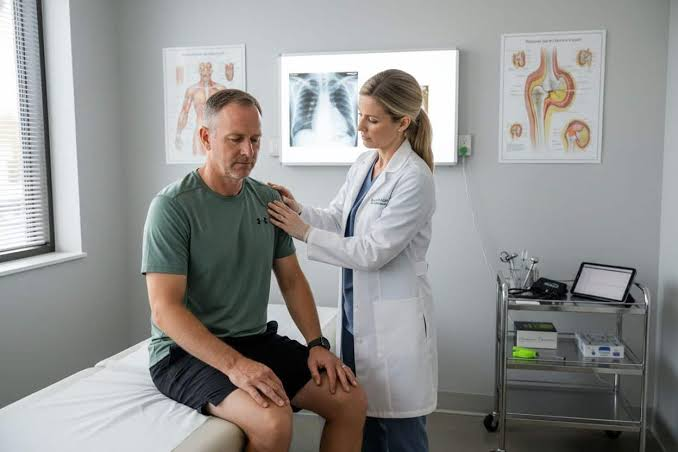
Physical Examination
The doctor will evaluate:
- Range of motion
- Strength
- Pain levels
- Shoulder stability
Medical History
Questions about symptoms, injuries, sports participation, and daily activities help identify the cause.
Imaging Tests
Common imaging studies include:
X-Rays
Used to detect fractures and joint abnormalities.
MRI Scans
Provide detailed images of muscles, tendons, and ligaments.
Ultrasound
Helpful for examining soft tissue injuries.
CT Scans
Sometimes used for complex fractures.
Treatment for Shoulder Injuries
Treatment depends on the type and severity of the injury. Many shoulder conditions can be managed without surgery.
Rest and Activity Modification
One of the first steps in treatment is allowing the shoulder time to heal.
Patients may need to:
- Avoid painful activities
- Reduce overhead movements
- Take breaks from sports
Rest helps reduce inflammation and prevents further damage.
Ice Therapy
Applying ice to the injured shoulder can help:
- Reduce swelling
- Decrease pain
- Control inflammation
Ice is often recommended for 15 to 20 minutes several times a day during the first few days after injury.
Pain Relief Medications
Doctors may recommend over-the-counter medications such as:
- Acetaminophen
- Ibuprofen
- Naproxen
These medications can help reduce discomfort and inflammation.
Physical Therapy
Physical therapy is one of the most effective treatments for shoulder injuries.
A physical therapist develops a personalized exercise program that may include:
- Stretching exercises
- Strengthening exercises
- Mobility training
- Posture correction
Physical therapy helps restore normal movement and reduces the risk of future injuries.
Shoulder Braces and Slings
Certain injuries may require temporary support devices.
Benefits include:
- Stabilizing the joint
- Reducing movement
- Promoting healing
Doctors typically recommend using these devices for a limited period.
Corticosteroid Injections
For persistent inflammation and pain, corticosteroid injections may be considered.
These injections can:
- Reduce inflammation
- Provide temporary pain relief
- Improve mobility
However, repeated injections may not be suitable for everyone.
Regenerative Treatments
Some specialists use newer treatments such as:
- Platelet-rich plasma (PRP) therapy
- Biological injections
These treatments aim to support natural healing processes, although research is still ongoing.
Surgical Treatment
Surgery may be necessary when conservative treatments fail or when severe injuries occur.
Common surgical procedures include:
Rotator Cuff Repair
Used to repair torn tendons.
Shoulder Stabilization Surgery
Performed for recurrent dislocations.
Fracture Repair
Used to fix broken shoulder bones.
Shoulder Replacement
Recommended for severe arthritis or extensive joint damage.
Modern surgical techniques often use minimally invasive procedures, leading to faster recovery.
Recovery After Shoulder Injury
Recovery time varies depending on the injury and treatment method.
Mild Injuries
Minor strains may heal within a few weeks.
Moderate Injuries
Conditions such as tendon inflammation often require several weeks or months of therapy.
Severe Injuries
Surgical recovery may take several months and require extensive rehabilitation.
Following medical advice and rehabilitation programs is essential for successful recovery.
Tips for Preventing Shoulder Injuries
Prevention is often easier than treatment. Consider the following strategies:
Warm Up Before Exercise
Always prepare muscles and joints before physical activity.
Strengthen Shoulder Muscles
Regular strengthening exercises improve stability and reduce injury risk.
Maintain Good Posture
Proper posture reduces unnecessary stress on shoulder structures.
Use Proper Techniques
Whether lifting weights or performing job-related tasks, correct techniques protect the shoulder.
Avoid Overuse
Take regular breaks during repetitive activities.
Stay Flexible
Stretching exercises help maintain healthy shoulder mobility.
When to See a Specialist
A shoulder specialist should be consulted if:
- Pain continues despite home treatment
- Movement becomes limited
- Weakness develops
- Symptoms interfere with daily activities
Early intervention often prevents more serious complications and speeds up recovery.
Conclusion
Shoulder injuries can affect people of all ages and activity levels. Whether caused by sports, accidents, repetitive movements, or aging, shoulder pain should never be ignored. The good news is that many shoulder injuries respond well to treatments such as rest, physical therapy, medication, and lifestyle modifications.
For more severe conditions, advanced treatments and surgical options are available to restore function and reduce pain. Seeking timely medical care and following a structured rehabilitation plan are the keys to a successful recovery.
With proper treatment for shoulder injuries, most individuals can regain strength, mobility, and confidence, allowing them to return to their favorite activities and enjoy a healthier, more active life.
Frequently Asked Questions (FAQs)
1. What is the best treatment for shoulder injuries?
The best treatment depends on the specific injury. Common treatments include rest, ice therapy, physical therapy, pain medications, and in some cases, surgery.
2. How long does a shoulder injury take to heal?
Minor injuries may heal within a few weeks, while severe injuries or surgical recovery can take several months.
3. Can shoulder injuries heal without surgery?
Yes. Many shoulder injuries improve with conservative treatments such as physical therapy, rest, and medication.
4. When should I see a doctor for shoulder pain?
You should seek medical attention if pain is severe, lasts several weeks, limits movement, or follows a fall or accident.
5. Can physical therapy help shoulder injuries?
Absolutely. Physical therapy is often one of the most effective treatments for restoring strength, flexibility, and normal shoulder function.