


Introduction
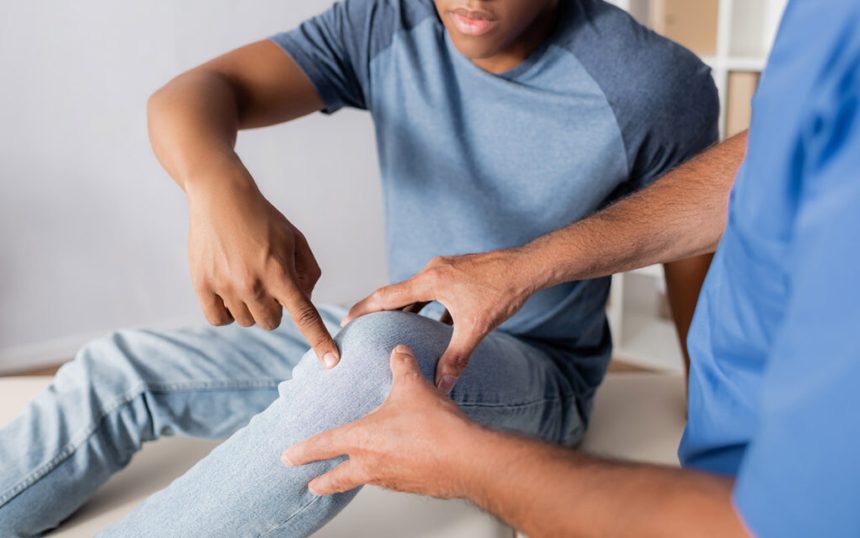
Knee pain is one of the most common joint problems affecting people of all ages. It can make walking, climbing stairs, sitting, or even standing very uncomfortable. Many people ignore early knee pain, hoping it will go away on its own. However, when pain continues or gets worse, it is important to consult an orthopedic specialist for knee pain.
An orthopedic specialist is a doctor who focuses on bones, joints, ligaments, tendons, and muscles. They are trained to diagnose and treat all types of knee problems, from minor injuries to serious conditions like ligament tears or arthritis.
This article explains what orthopedic specialists do, why knee pain happens, how it is diagnosed, and what treatment options are available in simple and easy language.
What Does an Orthopedic Specialist Do?
An orthopedic specialist is a medical expert who deals with problems related to the musculoskeletal system. This includes bones, joints, and soft tissues.
When it comes to knee pain, an orthopedic specialist helps in:
- Identifying the exact cause of pain
- Recommending tests like X-rays or MRI
- Creating a treatment plan
- Offering non-surgical and surgical solutions
- Guiding recovery and rehabilitation
They do not just treat pain but also help restore movement and improve quality of life.
Common Causes of Knee Pain
Knee pain can happen for many reasons. Some are simple and temporary, while others are long-term conditions.
1. Injuries
Knee injuries are very common in sports and accidents. These include:
- Ligament tears (ACL, MCL injuries)
- Meniscus tears
- Fractures
- Sprains and strains
These injuries often cause sudden pain, swelling, and difficulty walking.
2. Arthritis
Arthritis is a condition where joints become inflamed and painful. The most common type is osteoarthritis, which happens due to wear and tear over time.
Symptoms include:
- Stiffness in the knee
- Swelling
- Pain during movement
- Reduced flexibility
3. Overuse
Repetitive activities like running, jumping, or heavy lifting can put stress on the knee joint, leading to pain and inflammation.
4. Ageing
As people get older, cartilage in the knee joint starts to wear down, making movement painful and stiff.
5. Obesity
Extra body weight increases pressure on the knees, which can lead to long-term joint damage.
When Should You See an Orthopedic Specialist for Knee Pain?
Not all knee pain needs immediate medical attention, but some symptoms should never be ignored.
You should visit an orthopedic specialist if you experience:
- Severe or long-lasting pain
- Swelling that does not go away
- Difficulty walking or standing
- Knee instability or “giving way”
- Popping or clicking sounds with pain
- Pain after injury or accident
- Limited range of motion
Early treatment can prevent further damage and speed up recovery.
How an Orthopedic Specialist Diagnoses Knee Pain
A proper diagnosis is the first step toward effective treatment.
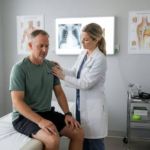
1. Physical Examination
The doctor will check:
- Swelling
- Tenderness
- Range of motion
- Stability of the knee
They may also ask you to walk or bend your knee.
2. Medical History
The specialist will ask questions like:
- When did the pain start?
- Did it happen after an injury?
- What activities make it worse?
3. Imaging Tests
To get a clearer picture, doctors may recommend:
- X-rays (to check bone damage or arthritis)
- MRI scans (to see soft tissue injuries like ligaments or cartilage)
- CT scans (for detailed bone structure)
- Ultrasound (to check swelling or fluid buildup)
These tests help the doctor find the exact cause of pain.
Treatment Options for Knee Pain
Treatment depends on the cause and severity of the condition. Most knee problems can be treated without surgery.
1. Rest and Lifestyle Changes
Rest is often the first step in treatment. Patients may need to:
- Avoid heavy physical activities
- Reduce pressure on the knee
- Take breaks from sports or exercise
Simple lifestyle changes can make a big difference.
2. Ice and Heat Therapy
- Ice helps reduce swelling and pain
- Heat helps relax stiff muscles and improve blood flow
Doctors often recommend using both at different stages of recovery.
3. Medications
Orthopedic specialists may suggest:
- Pain relievers like acetaminophen
- Anti-inflammatory drugs like ibuprofen
These help reduce pain and swelling.
4. Physical Therapy
Physical therapy is one of the most effective treatments for knee pain.
A therapist may guide you through:
- Strengthening exercises
- Stretching routines
- Balance training
- Mobility improvement
These exercises help support the knee and prevent future injuries.
5. Knee Supports and Braces
Braces provide stability to the knee joint. They are useful for:
- Injury recovery
- Arthritis support
- Sports protection
They help reduce strain and improve movement.
6. Injections
In some cases, doctors may recommend injections such as:
- Corticosteroid injections (to reduce inflammation)
- Hyaluronic acid injections (to improve joint lubrication)
These are usually used when pain is moderate to severe.
7. Surgery (In Severe Cases)
If other treatments do not work, surgery may be required.
Common knee surgeries include:
Arthroscopy
A minimally invasive procedure to repair damaged tissues.
Ligament Repair
Used for torn ACL or other ligament injuries.
Knee Replacement
Recommended for severe arthritis or joint damage.
Modern surgical methods are safe and help patients return to normal life.
Recovery and Rehabilitation
Recovery depends on the type of treatment.
- Mild injuries: a few weeks
- Moderate injuries: several months
- Surgery: 3–6 months or more
Rehabilitation is very important. Following doctor instructions, doing exercises, and maintaining a healthy routine helps in faster recovery.
Prevention Tips for Knee Pain
Prevention is always better than treatment. Here are some simple tips:
Stay Active
Regular exercise strengthens muscles around the knee.
Maintain Healthy Weight
Less body weight reduces pressure on knees.
Warm Up Before Exercise
Stretching prepares joints for activity.
Wear Proper Footwear
Good shoes provide support and reduce stress on knees.
Avoid Overuse
Do not overwork your knees without rest.
Benefits of Visiting an Orthopedic Specialist Early
Seeing a specialist early can:
- Prevent worsening of pain
- Avoid long-term damage
- Improve recovery speed
- Reduce the need for surgery
- Improve daily movement and comfort
Ignoring knee pain can make the condition worse over time.
Conclusion
Knee pain can affect anyone, from young athletes to older adults. While some pain may be temporary, persistent or severe pain should not be ignored. An orthopedic specialist for knee pain plays a key role in diagnosing the problem and providing effective treatment.
With the right care, including medication, physical therapy, and lifestyle changes, most people can recover and return to normal life. In more serious cases, advanced treatments and surgery can restore movement and reduce pain.
Taking early action is the best way to protect your knees and maintain an active, healthy lifestyle.
Frequently Asked Questions (FAQs)
1. What does an orthopedic specialist do for knee pain?
An orthopedic specialist diagnoses the cause of knee pain and provides treatment through medication, therapy, or surgery if needed.
2. When should I see an orthopedic doctor for knee pain?
You should see a doctor if your pain is severe, long-lasting, or affects your ability to walk or perform daily activities.
3. Can knee pain be treated without surgery?
Yes, most knee pain cases can be treated without surgery using rest, medication, physical therapy, and lifestyle changes.
4. How long does it take to recover from knee pain?
Recovery time depends on the cause. Mild cases may take weeks, while severe injuries or surgery may take months.
5. Is physical therapy helpful for knee pain?
Yes, physical therapy is one of the most effective treatments. It strengthens muscles and improves knee movement and stability.