


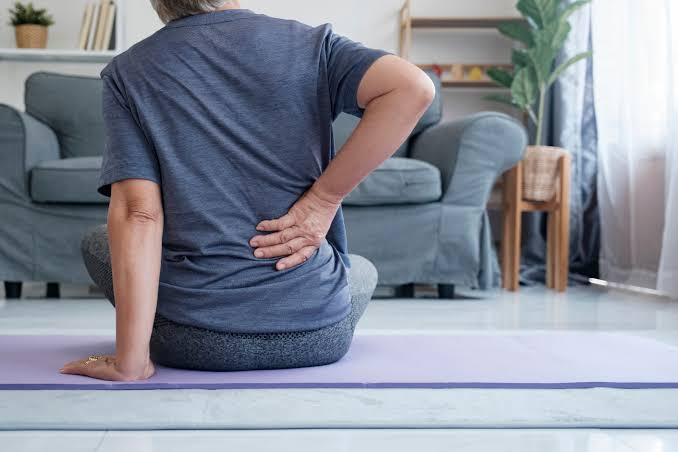
Lower back pain is one of the most common health problems affecting millions of people worldwide. It can range from a mild ache to severe pain that interferes with daily activities, work, and sleep. Whether caused by poor posture, muscle strain, injury, or an underlying medical condition, lower back pain can significantly impact a person’s quality of life.
The good news is that most cases of lower back pain can be treated successfully with the right combination of medical care, lifestyle changes, and self-care techniques. Understanding the causes and available treatment options can help you recover faster and prevent future episodes.
In this article, we will explore the most effective treatments for lower back pain, common causes, prevention strategies, and when to seek professional medical help.
Understanding Lower Back Pain
The lower back, also known as the lumbar region, supports much of the body’s weight and plays an important role in movement and stability. Because of its constant use, it is vulnerable to strain and injury.
Lower back pain can be classified into two main categories:
Acute Lower Back Pain
This type of pain develops suddenly and usually lasts a few days to a few weeks. It is often caused by muscle strains, lifting heavy objects incorrectly, or sudden movements.
Chronic Lower Back Pain
Chronic pain lasts longer than three months and may be linked to conditions such as arthritis, spinal stenosis, or herniated discs.
Common Causes of Lower Back Pain
Several factors can contribute to lower back pain, including:
Muscle or Ligament Strain
Repeated heavy lifting or awkward movements can strain back muscles and ligaments.
Poor Posture
Sitting for long periods with improper posture can place excessive pressure on the lower spine.
Herniated Disc
A disc in the spine may bulge or rupture, putting pressure on nearby nerves and causing pain.
Arthritis
Osteoarthritis can affect the lower back and lead to pain and stiffness.
Sciatica
When the sciatic nerve becomes compressed, pain may travel from the lower back down one or both legs.
Sedentary Lifestyle
Lack of physical activity weakens muscles that support the spine, increasing the risk of pain.
Obesity
Excess body weight places additional stress on the lower back.
Effective Treatments for Lower Back Pain
The best treatment depends on the cause and severity of the pain. Many people benefit from a combination of approaches.
1. Rest and Activity Modification
While rest can be helpful during the first day or two after an injury, prolonged bed rest is generally not recommended. Staying active with gentle movement promotes healing and prevents stiffness.
Helpful activities include:
- Short walks
- Gentle stretching
- Light household tasks
- Low-impact exercises
Avoid activities that worsen the pain.
2. Physical Therapy
Physical therapy is one of the most effective treatments for lower back pain. A trained therapist can create a personalized exercise program to strengthen muscles, improve flexibility, and support proper posture.
Physical therapy may include:
- Stretching exercises
- Core strengthening
- Posture training
- Manual therapy
- Movement education
Strong abdominal and back muscles help protect the spine and reduce future injuries.
3. Pain Relief Medications
Over-the-counter medications can help manage discomfort and inflammation.
Common options include:
- Acetaminophen
- Ibuprofen
- Naproxen
For severe pain, a healthcare provider may prescribe stronger medications. However, prescription medications are usually recommended for short-term use.
Always follow medical advice and dosage instructions.
4. Heat and Cold Therapy
Applying heat or cold to the affected area can provide relief.
Cold Therapy
Ice packs help reduce inflammation and swelling during the first 24 to 48 hours after an injury.
Heat Therapy
Heating pads, warm baths, or hot compresses can relax muscles and improve blood flow.
Many people find alternating between heat and cold beneficial.
5. Stretching and Exercise
Regular exercise is essential for recovery and prevention.
Beneficial exercises include:
- Walking
- Swimming
- Yoga
- Pilates
- Core strengthening workouts
Gentle stretches can reduce muscle tension and improve flexibility.
Examples include:
- Knee-to-chest stretch
- Cat-cow stretch
- Child’s pose
- Pelvic tilts
Exercise should be performed carefully and consistently.
6. Chiropractic Care
Some individuals experience relief through chiropractic adjustments. Chiropractors use spinal manipulation techniques to improve alignment and mobility.
While chiropractic treatment may help certain patients, it should be performed by a licensed professional and discussed with your healthcare provider.
7. Massage Therapy
Massage can help relax tight muscles, improve circulation, and reduce stress-related tension.
Benefits of massage therapy include:
- Improved blood flow
- Reduced muscle stiffness
- Increased flexibility
- Temporary pain relief
Massage is often used alongside other treatment methods.
8. Weight Management
Carrying excess weight increases strain on the spine and surrounding muscles.
Maintaining a healthy weight can:
- Reduce pressure on the lower back
- Improve mobility
- Decrease inflammation
- Lower the risk of recurring pain
A balanced diet and regular physical activity play important roles in weight management.
9. Lifestyle Changes
Small daily habits can make a significant difference in preventing and managing lower back pain.
Helpful lifestyle changes include:
Improve Posture
Sit and stand with proper spinal alignment.
Use Ergonomic Furniture
Choose chairs that support the natural curve of the spine.
Lift Properly
Bend your knees and keep heavy objects close to your body when lifting.
Stay Active
Regular movement prevents stiffness and strengthens supporting muscles.
Stop Smoking
Smoking reduces blood flow to spinal tissues and may increase the risk of chronic pain.
10. Medical Procedures and Injections
If conservative treatments do not provide relief, a healthcare provider may recommend advanced treatments.
Options may include:
- Corticosteroid injections
- Nerve block injections
- Radiofrequency ablation
These treatments are typically reserved for persistent pain caused by specific spinal conditions.
11. Surgical Treatment
Surgery is usually considered only when other treatments have failed and symptoms are severe.
Conditions that may require surgery include:
- Severe herniated discs
- Spinal stenosis
- Nerve compression
- Spinal instability
Common procedures include:
- Discectomy
- Laminectomy
- Spinal fusion
A spine specialist can determine whether surgery is appropriate.
When Should You See a Doctor?
Although many cases of lower back pain improve on their own, certain symptoms require medical attention.
Seek professional help if you experience:
- Pain lasting longer than a few weeks
- Severe pain that does not improve
- Numbness or tingling in the legs
- Weakness in the legs
- Difficulty walking
- Loss of bladder or bowel control
- Fever accompanying back pain
- Pain after a serious injury
Early evaluation can prevent complications and improve treatment outcomes.
Preventing Future Lower Back Pain
Prevention is often easier than treatment. Incorporating healthy habits into your daily routine can help keep your back strong and healthy.
Tips for Prevention
- Exercise regularly
- Maintain a healthy weight
- Strengthen core muscles
- Stretch daily
- Practice good posture
- Lift objects correctly
- Avoid prolonged sitting
- Sleep on a supportive mattress
- Stay hydrated
- Manage stress
Consistent self-care can significantly reduce the risk of recurring pain episodes.
Conclusion
Lower back pain is a common condition that can affect people of all ages. Fortunately, many effective treatment options are available, ranging from physical therapy and exercise to medication and advanced medical procedures. Most individuals experience significant improvement through conservative treatments and healthy lifestyle changes.
The key to successful treatment is identifying the underlying cause, staying active, following professional medical advice, and adopting habits that support spinal health. If your symptoms persist or worsen, seeking medical evaluation can help ensure you receive the most appropriate care.
By taking proactive steps today, you can reduce pain, improve mobility, and enjoy a healthier, more active life.
Frequently Asked Questions (FAQs)
1. What is the fastest way to relieve lower back pain?
Applying ice during the first 48 hours, followed by heat therapy, gentle stretching, and over-the-counter pain relievers can provide quick relief for many people.
2. Can exercise help lower back pain?
Yes. Regular exercise strengthens the muscles supporting the spine, improves flexibility, and reduces the likelihood of future pain episodes.
3. When should I worry about lower back pain?
You should seek medical attention if pain is severe, lasts several weeks, causes leg weakness, numbness, or affects bladder or bowel control.
4. Is walking good for lower back pain?
Yes. Walking is a low-impact exercise that improves circulation, reduces stiffness, and helps strengthen muscles that support the back.
5. Can lower back pain go away on its own?
Many cases of acute lower back pain improve within a few days or weeks with proper rest, movement, and self-care. However, persistent pain should be evaluated by a healthcare professional.