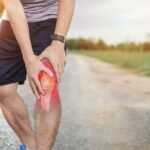



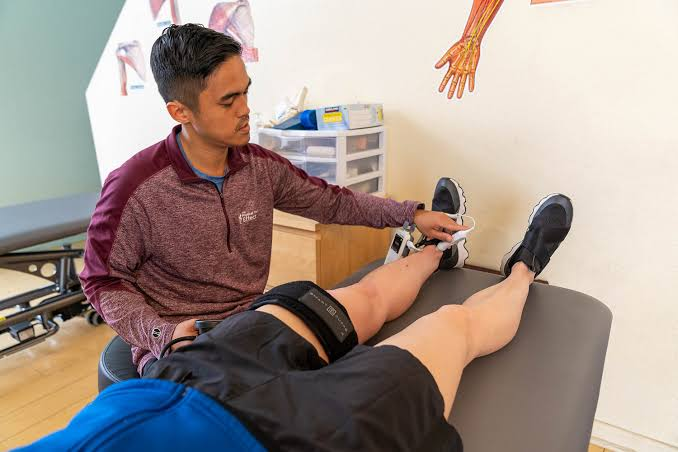
Sports injuries are very common among athletes, gym lovers, and even people who do regular physical activity. Whether it is a twisted ankle while running, a shoulder injury from weightlifting, or knee pain from football, injuries can affect daily life and performance. This is where physical therapy for sports injuries becomes very important.
Physical therapy is a safe and effective treatment method that helps people recover from injuries without surgery in many cases. It focuses on healing the body, reducing pain, restoring movement, and preventing future injuries.
In simple words, physical therapy helps your body “learn” how to move properly again after injury.
What Is Physical Therapy for Sports Injuries?
Physical therapy for sports injuries is a specialized form of treatment that helps athletes and active individuals recover from physical damage caused during sports or exercise.
A trained physical therapist creates a personalized recovery plan that includes exercises, stretches, manual therapy, and sometimes machines or tools to help healing.
The main goal is to:
- Reduce pain and swelling
- Restore movement and flexibility
- Strengthen muscles and joints
- Improve balance and coordination
- Help return to sports safely
It is not just about healing the injury but also about making the body stronger than before.
Why Physical Therapy Is Important for Sports Injuries
Many people ignore injuries or try to “rest it away.” While rest is important, it is not enough for full recovery. Without proper treatment, injuries can become worse or return again.
Physical therapy is important because it:
1. Speeds Up Healing
Controlled exercises improve blood flow, which helps damaged tissues heal faster.
2. Reduces Pain Naturally
Instead of relying only on painkillers, therapy uses movement and techniques that reduce pain in a healthy way.
3. Prevents Long-Term Damage
Untreated injuries can lead to chronic pain or permanent weakness. Physical therapy helps avoid that.
4. Improves Strength and Performance
Therapy not only heals but also improves muscle strength, making the body stronger for future sports activities.
5. Prevents Re-Injury
Therapists teach correct movement patterns so the same injury does not happen again.
Common Sports Injuries Treated with Physical Therapy
Physical therapy can treat many types of sports injuries, including:
- Sprained ankles
- Knee injuries (like ACL or meniscus tears)
- Shoulder injuries
- Hamstring strains
- Tennis elbow
- Back and spine injuries
- Muscle tears
- Hip injuries
Each injury requires a different treatment plan depending on severity and location.
How Physical Therapy Works Step by Step
Recovery from sports injuries usually follows a structured process.
Step 1: Assessment and Diagnosis
The physical therapist first examines the injury. They check pain levels, movement ability, and muscle strength.
Step 2: Pain and Swelling Control
In the early stage, the focus is on reducing pain and swelling using ice therapy, rest, light movement, or gentle massage.
Step 3: Restoring Movement
Once pain decreases, gentle stretching and movement exercises are introduced to improve flexibility.
Step 4: Strength Training
Muscles around the injured area are strengthened using resistance exercises. This helps support the injured joint or muscle.
Step 5: Balance and Coordination Training
Exercises are added to improve body control, stability, and coordination.
Step 6: Return to Sports
In the final stage, sport-specific exercises are introduced to safely return the patient to their activity.
Types of Physical Therapy Used in Sports Injuries
Physical therapy includes different techniques depending on the injury:
1. Manual Therapy
The therapist uses their hands to move joints and muscles to reduce stiffness and improve movement.
2. Exercise Therapy
Special exercises are designed to improve strength, flexibility, and endurance.
3. Electrotherapy
Machines like ultrasound or electrical stimulation help reduce pain and speed up healing.
4. Heat and Cold Therapy
Ice reduces swelling, while heat helps relax muscles and improve blood flow.
5. Massage Therapy
Massage improves circulation and reduces muscle tightness.
Benefits of Physical Therapy for Athletes
Physical therapy offers many advantages for both professional athletes and regular sports players:
- Faster recovery from injury
- Improved muscle strength
- Better flexibility and movement
- Reduced pain without heavy medication
- Lower risk of future injuries
- Improved sports performance
Many professional athletes rely on physical therapy as part of their regular training and recovery routine.
Mental Benefits of Physical Therapy
Sports injuries not only affect the body but also the mind. Many people feel frustrated, stressed, or anxious during recovery.
Physical therapy helps mentally by:
- Giving a clear recovery plan
- Building confidence in movement
- Reducing fear of re-injury
- Encouraging positive progress
As patients see improvement step by step, their motivation increases.
Role of a Physical Therapist
A physical therapist is a trained healthcare expert who guides recovery. Their role includes:
- Diagnosing movement problems
- Creating personalized treatment plans
- Teaching exercises
- Monitoring progress
- Preventing future injuries
They act like a coach and a healer during recovery.
How Long Does Recovery Take?
Recovery time depends on the type and severity of injury:
- Mild injuries: 1–3 weeks
- Moderate injuries: 4–8 weeks
- Severe injuries: several months
Consistency in therapy is the most important factor in recovery speed.
Tips for Successful Recovery
Here are some simple but effective tips:
- Follow your therapist’s instructions carefully
- Do exercises regularly
- Do not rush recovery
- Eat healthy food rich in protein and vitamins
- Stay hydrated
- Get enough sleep
- Avoid returning to sports too early
Patience is key for full recovery.
When Should You Start Physical Therapy?
You should start physical therapy as soon as your doctor recommends it. In many cases, early therapy leads to faster and better recovery.
Delaying treatment can make injuries worse and slow down healing.
Conclusion
Physical therapy for sports injuries is one of the most effective ways to recover safely and return to an active lifestyle. It not only treats pain and injury but also rebuilds strength, flexibility, and confidence.
Whether you are a professional athlete or someone who enjoys weekend sports, physical therapy can help you recover faster and prevent future injuries.
In the end, physical therapy is not just about healing—it is about rebuilding your body, improving performance, and protecting your long-term health.
Frequently Asked Questions (FAQs)
1. Is physical therapy painful?
Some exercises may cause mild discomfort, but therapy is designed to stay within safe and manageable limits.
2. Can physical therapy heal sports injuries without surgery?
Yes, many sports injuries can be treated without surgery through proper physical therapy.
3. How many sessions are needed?
It depends on the injury. Some people need a few sessions, while others may need several weeks of therapy.
4. Can I continue sports during therapy?
Usually, high-impact sports are avoided, but light activities may be allowed depending on your condition.
5. What happens if I skip physical therapy?
Skipping therapy can delay healing, weaken muscles, and increase the risk of re-injury.